
Hazard Communication Training Course
Hazard communication training teaches workers to safely handle chemicals, prevent exposures, and respond to hazards in real time. This guide breaks down key requirements, real-world applications, and best practices for workers to know.
Who It’s For: Safety managers, supervisors, maintenance teams, and contractors
Time to Watch: 8–10 minutes
Summary
Hazard communication training is a foundational component of any effective environmental, health, and safety program. It ensures that workers understand the chemical hazards they encounter, know how to protect themselves, and can respond appropriately in the event of exposure. In high-risk industries like manufacturing, oil and gas, and chemical processing, the ability to quickly recognize and communicate hazards directly impacts incident rates, regulatory compliance, and overall operational performance.
At its core, hazard communication is about clarity and consistency. Workers must be able to interpret labels, understand safety data sheets (SDS), and follow standardized procedures for handling hazardous substances. Companies that implement these elements effectively reduce the likelihood of chemical exposures, improve decision-making on the frontline, and create a stronger safety culture.
This guide provides a deep look at regulatory requirements, real-world applications, and strategies you can use to improve your hazard communication program. It also explores how digital tools can strengthen training outcomes, documentation, and compliance across your company.
Key Takeaways
- Hazard communication training ensures workers can identify, understand, and safely handle hazardous chemicals in the workplace.
- OSHA’s Hazard Communication Standard requires labeling, safety data sheets, and employee training for all hazardous substances.
- Real-world incidents often come from breakdowns of communication, not just hazardous materials themselves.
- High-risk industries rely on consistent hazard communication to prevent exposures, fires, explosions, and long-term health effects.
- Learning management systems improve training consistency, documentation, and compliance across multiple sites and teams.
The History of Hazard Communication in the U.S.
Hazard communication training didn’t become best practice overnight. It was a response to decades of workplace incidents, inconsistent labeling practices, and a fundamental lack of transparency around chemical hazards. To understand why hazard communication is now a cornerstone of EHS programs, it helps to look at how workplaces operated before standardized requirements existed.
The Early Industrial Era: Limited Awareness and High Risk
Before the 1970s, chemical safety in the workplace was largely unregulated in the United States. The government didn’t require manufacturers to disclose the full risks associated with their products, and many workers handled hazardous substances without knowing their potential health effects.
In industries like manufacturing, oil and gas, and chemical processing, employees routinely worked with solvents, acids, and other dangerous materials with minimal guidance. Labels were inconsistent, often vague, or completely absent. Safety documentation, if it existed at all, varied widely from one company to another.
This lack of standardization created several major risks:
- Workers couldn’t identify hazardous substances quickly
- Emergency responders lacked critical information during incidents
- Employers struggled to implement consistent safety procedures
- Long-term health effects, such as respiratory illness and cancer, were often discovered years after exposure
At the time, workplace safety efforts focused more on physical hazards like machinery and most people under-communicated or misunderstood chemical hazards.
The Creation of OSHA and a Shift Toward Worker Protection
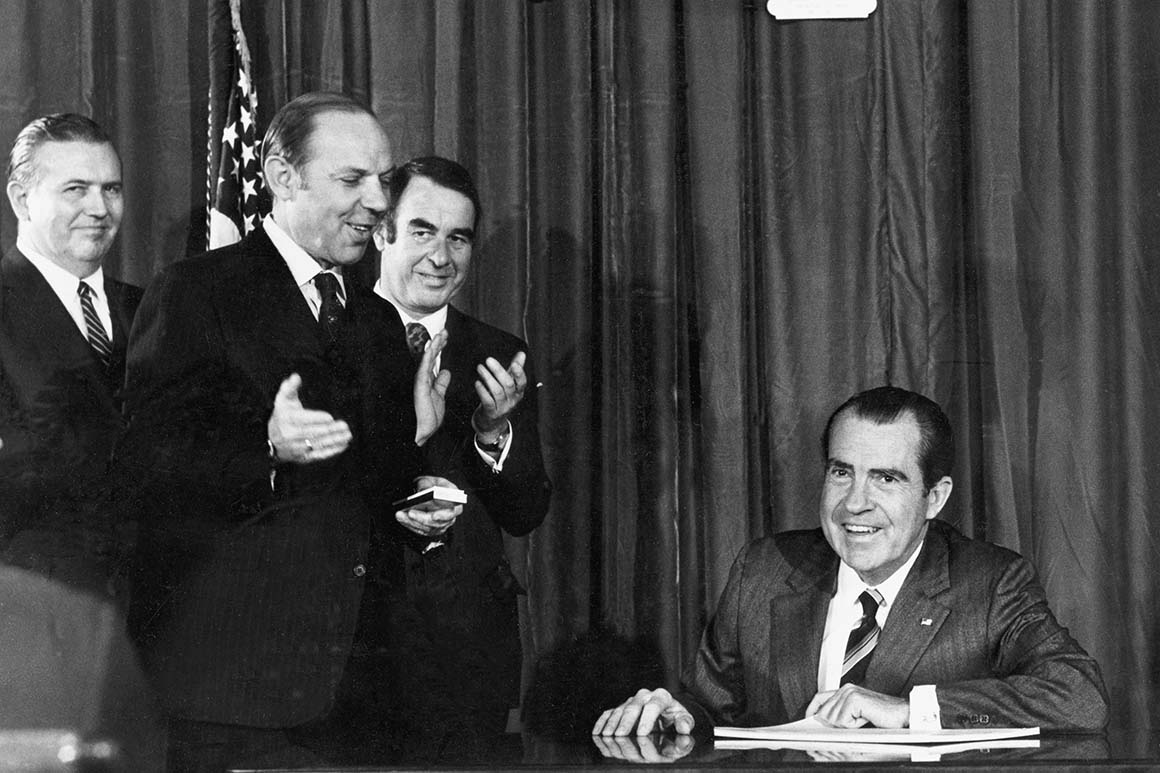
The turning point came in 1970 with the passage of the Occupational Safety and Health Act. It established the Occupational Safety and Health Administration (OSHA) and marked a major shift in the regulation of workplace safety in the United States.
OSHA’s mission was to ensure safe and healthy working conditions by setting and enforcing standards. While early OSHA regulations addressed a wide range of hazards, chemical safety quickly became a priority due to the growing use of industrial chemicals and the increasing complexity of workplace processes.
Throughout the 1970s, OSHA realized that workers were exposed to hazardous chemicals without adequate information. Even when employers attempted to implement safety measures, they often lacked reliable data from chemical manufacturers.
This gap created a fundamental problem: you can’t control a hazard if you don’t fully understand it.
The Rise of “Right-to-Know” Laws
In response to growing concerns about chemical exposure, the late 1970s and early 1980s saw the emergence of “right-to-know” laws at the state level. These laws aimed to give workers access to information about the chemicals they were exposed to on the job.
States like New Jersey, California, and Michigan introduced their own hazard communication requirements, mandating:
- Chemical labeling systems
- Access to safety information
- Employee training programs
These laws were a step in the right direction, but they created a lot of inconsistency. Companies operating across multiple states had to comply with different requirements in each location, leading to confusion and inefficiencies.
For workers, this meant that hazard information could vary significantly depending on where they worked. A chemical labeled one way in one state might look completely different in another.
The Creation of the Hazard Communication Standard (1983)
In 1983, under 29 CFR 1910.1200, OSHA introduced the Hazard Communication Standard to address these inconsistencies and improve worker safety,
This was one of the most significant developments in workplace safety regulations. The standard established a framework for classifying and communicating chemical hazards.
The original standard focused primarily on manufacturing industries, where chemical exposure risks were highest. It required employers to:
- Maintain a chemical inventory
- Ensure proper labeling of hazardous substances
- Provide material safety data sheets (MSDS)
- Train employees on chemical hazards
This marked the first time that hazard communication became a formal, enforceable requirement at the federal level.
Expansion of the Standard (1987)
While the 1983 standard was a major step forward, it initially applied only to the manufacturing sector. OSHA quickly recognized that chemical hazards existed across virtually all industries.
In 1987, OSHA expanded the standard to cover all employers with hazardous chemicals in the workplace. This brought industries like construction, healthcare, and services under the same requirements.
This reinforced an important reality: chemical hazards aren’t limited to traditionally high-risk industries. Even workplaces that don’t produce chemicals can still expose workers to hazardous substances through cleaning agents, fuels, or maintenance materials.
The Global Harmonization Update (2012)
One of the most important updates to the HazCom standard came in 2012, when OSHA aligned the standard with the Globally Harmonized System of Classification and Labelling of Chemicals (GHS).
This update addressed a growing challenge in global trade. As companies sourced and distributed chemicals internationally, inconsistent labeling systems created confusion and increased risk.
The GHS introduced several key changes:
- Standardized hazard classifications
- Consistent label elements, including pictograms and signal words
- A uniform 16-section format for Safety Data Sheets
- Clearer hazard and precautionary statements
These updates made hazard communication more intuitive and easier to understand, especially for multinational organizations and diverse workforces.
For workers, the benefits were immediate. A chemical label or SDS now looked the same regardless of where it came from, reducing the likelihood of misinterpretation.
Why Did OSHA Create the Hazard Communication Standard?
The HazCom standard protects workers from hazardous chemical exposure risks by providing the information they need to protect themselves.
Several factors drove OSHA’s decision to create it in the first place:
- Lack of Transparency from Chemical Manufacturers: Before the standard, manufacturers were not required to fully disclose chemical hazards. This left employers and workers without critical safety information.
- Inconsistent Labeling and Documentation: Without standardization, hazard communication varied widely. Workers could not rely on labels or documentation to make safe decisions.
- Rising Chemical Exposure Incidents: Industrial growth led to increased use of hazardous chemicals, which in turn led to more incidents, illnesses, and long-term health effects.
- Ineffective Emergency Response: In emergencies, the lack of clear hazard information delayed response efforts and increased the severity of incidents.
- Regulatory Fragmentation: State-level “right-to-know” laws created inconsistencies that made compliance difficult and reduced overall effectiveness.
The Lasting Impact on Workplace Safety
The introduction of HazCom changed how companies manage chemical safety. Today, hazard communication training plays a central role in:
- Reducing chemical exposure incidents
- Improving worker awareness and decision-making
- Strengthening emergency preparedness
- Supporting audit readiness and regulatory compliance
Workers are no longer expected to blindly trust that materials are safe. They have the knowledge and tools to assess risks and take appropriate action.
OSHA Hazard Communication Standard Overview
OSHA enforces the hazard communication, or “HazCom,” standard under 29 CFR 1910.1200. It establishes the framework for how to communicate chemical hazards to employees.
The standard has five key elements:
- Hazard classification
- Labels and warnings
- Safety data sheets (SDS)
- Employee training
- Written hazard communication program
Each element plays a critical role in ensuring that hazard information is both accessible and actionable.
Hazard Classification: Manufacturers and importers are responsible for classifying chemicals based on their physical and health hazards. This classification determines how to communication hazards downstream to employers and workers.
Labels and Warnings: Every container of hazardous chemicals must include standardized labeling. These labels provide immediate visual cues about the risks associated with a substance.
Safety Data Sheets (SDS): SDS documents provide detailed information about chemical properties, hazards, handling procedures, and emergency response measures. Workers rely on them for deeper insights beyond what labels provide.
Employee Training: Employers must train workers to understand hazard information and safely handle chemicals. This is where hazard communication training becomes critical.
Written Program: Companies must have a written hazard communication program that outlines how they meet OSHA requirements. This document serves as a blueprint for compliance and consistency.
Watch the Hazard Communication Training Video
Key Components of Hazard Communication
Most incidents related to hazardous chemicals are not caused by the chemicals themselves. They are caused by breakdowns in communication.
Some of the most common failures include:
- Incomplete or outdated SDS documents
- Missing or illegible labels
- Lack of employee training
- Poor accessibility to hazard information
- Inconsistent procedures across sites
These gaps create uncertainty, and uncertainty leads to mistakes.
Chemical Labeling
Labels are the first line of defense against chemical safety incidents. Workers often rely on them for quick decision-making, especially in fast-paced environments.
A compliant label includes:
- Product identifier
- Signal word like “danger” or “warning”
- Hazard statements
- Precautionary statements
- Pictograms
- Supplier information
Safety Data Sheets (SDS)
SDS documents follow a standardized 16-section format. They provide detailed information that supports safe handling and emergency response.
Some of the most critical sections include:
- Hazard identification
- First-aid measures
- Fire-fighting measures
- Handling and storage
- Exposure controls
Workers must know how to access and interpret SDS documents quickly, especially during emergencies. Here’s a safety data sheet template your team can use to meet this requirement of the OSHA standard.
Employee Training
Training ensures that workers can apply hazard communication principles in real-world situations. Without proper training, labels and SDS documents lose their effectiveness.
Effective hazard communication training includes:
- Hands-on demonstrations
- Real-world examples
- Scenario-based learning
- Regular safety refreshers
Written Hazard Communication Program
A written hazard communication program is a required document that outlines how your company identifies, communicates, and manages chemical hazards in the workplace. It ensures consistency across teams and locations while providing a clear framework for compliance with OSHA requirements. It also serves as a critical reference during audits and inspections, demonstrating that hazard communication processes are actively managed and enforced.
Real-World Applications Across High-Risk Industries
Hazard communication training becomes most critical in high-risk industries where workers interact with hazardous chemicals as part of daily operations. While each industry presents unique challenges, the underlying need remains the same: workers must be able to quickly identify hazards, understand the risks, and take appropriate action to prevent incidents. In environments where flammable substances, toxic exposures, or reactive chemicals are present, even a small communication breakdown can escalate into a serious safety event.
Across these industries, workers are routinely exposed to a range of high-consequence hazards, including:
- Flammable liquids and gases that can ignite or explode under the right conditions
- Toxic vapors and airborne contaminants that create immediate and long-term health risks
- Corrosive substances that can cause severe burns or equipment damage
- Reactive chemicals that can trigger dangerous chain reactions if mishandled
- Pressurized systems that increase the severity of releases or failures
In chemical manufacturing, employees regularly handle large volumes of hazardous substances, including corrosives, flammables, and reactive compounds. This often involves complex processes where you store, transfer, and combine chemicals under controlled conditions. Without clear labeling and immediate access to safety data sheets, workers may misidentify substances or underestimate their hazards, increasing the risk of chemical reactions, burns, or toxic exposures.
The oil and gas industry presents a different set of challenges, with a heavy emphasis on flammable materials and hazardous gases such as hydrogen sulfide. Workers rely on accurate hazard communication to understand the risks associated with drilling fluids, refining processes, and pressurized systems. Miscommunication in these environments can lead to fires, explosions, or highly hazardous chemical releases that impact both workers and surrounding communities.
Industrial manufacturing introduces hazards through everyday materials like solvents, coatings, adhesives, and cleaning agents. These substances often carry significant health risks, including respiratory issues, skin irritation, and long-term exposure effects. Hazard communication training ensures that workers understand proper handling procedures, ventilation requirements, and personal protective equipment, reducing the likelihood of both acute and chronic health issues.
In food and beverage processing, chemical hazards often come from sanitation processes and refrigeration systems. Strong cleaning agents and ammonia-based refrigeration systems introduce risks that require strict communication and training. Workers must understand how to safely use these chemicals while maintaining compliance with both safety and food quality standards.
Across all these industries, the stakes are high. According to the National Safety Council, the average cost of a medically consulted injury is approximately $48,000 in direct expenses, with total costs often reaching three to four times that amount when accounting for downtime, lost productivity, and administrative impact. Teams can often track these incidents back to gaps in hazard awareness or communication.
Hazard communication training consistent framework that helps workers interpret hazard information accurately, regardless of the industry or specific chemicals involved. Standardizing hazard identification reduces uncertainty, improves decision-making on the frontline, and significantly lowers the risk of costly incidents.
What Does Hazard Communication Look Like in Practice?
The difference between compliance and effectiveness comes down to execution. Many organizations meet regulatory requirements but still experience incidents due to poor implementation.
- Incomplete Labeling: A worker encounters a secondary container without proper labeling. Without clear hazard information, they assume it’s safe and proceed without PPE. This leads to exposure.
- Inaccessible SDS: An emergency occurs, but the SDS is stored in a central office rather than accessible in the work area. Delayed response increases the severity of the incident.
- Inconsistent Training: Different sites train workers differently. This creates confusion when employees move between locations or work on cross-functional teams.
These scenarios highlight how small gaps in hazard communication can escalate into serious incidents.
A structured approach helps organizations maintain consistency and reduce risk. Here’s a hazard communication program checklist you can use as a guide:
| Program Element | Requirement | Responsible Party | Status |
|---|---|---|---|
| Chemical Inventory | Maintain updated list | EHS Manager | X |
| Labeling | Ensure all containers labeled | Supervisors | X |
| SDS Management | Provide accessible SDS | EHS Team |
|
| Training | Conduct initial and refresher training | HR/EHS | X |
| Written Program | Maintain and update documentation | Compliance Team |
|
| Audits | Perform regular inspections | Safety Manager | X |
This type of checklist reinforces accountability and ensures that no critical elements are overlooked.
Hazard communication training directly impacts safety outcomes, operational efficiency, and business performance. Companies that prioritize training experience:
- Fewer chemical exposure incidents
- Improved regulatory compliance
- Faster emergency response times
- Better employee confidence and engagement
On the other hand, poor training leads to uncertainty, delays, and increased risk.
Frequently Asked Questions About Hazard Communication
The Role of a Learning Management System in HazCom Training
Hazard communication training requires consistency, visibility, and ongoing reinforcement. Manual training processes often fall short, especially if you manage multiple locations.
A learning management system like Frontline LMS centralizes training so it’s easier to provide high-quality training to all workers across all sites. It helps by:
- Allowing you to assign role-based training
- Serving as a content hub where you can manage training materials
- Providing real-time status updates for all workers
- Managing due dates and reminders for compliance deadlines
- Keeping all documentation in a single spot
- Helping you manage training matrices
Consistency is critical in hazard communication because even small variations in training can lead to confusion. For regulatory compliance, you need to be able to provide accurate records. An LMS automatically tracks:
- Training completion
- Certification status
- Expiration dates
- Course history
This eliminates the risk of missing or incomplete documentation.
Multimedia training that includes videos, PowerPoints, quizzes, etc., boosts engagement and retention. Workers can revisit content as needed, reinforcing key concepts over time. This is particularly important for hazard communication, where retention directly impacts safety outcomes.
During audits, you must demonstrate that employees have received proper training. An LMS provides instant access to records, making it easier to prove compliance. With a system like Frontline LMS, you can also run reports to find patterns across divisions. That way, you can focus attention on departments or sites that have the most gaps or worst performance.
To take your program further, explore how safety training software can improve documentation, consistency, and compliance across your company. Book a demo with our sales team to get more information about Frontline LMS for your training program.