
Hot Work Permit Training Course
Hot work introduces some of the most serious fire and explosion risks in industrial environments. This training course explains how to identify hot work hazards, follow OSHA requirements, and safely implement a hot work permit program.
Who It’s For: Safety managers, supervisors, maintenance teams, and contractors
Time to Watch: 8–10 minutes
Summary
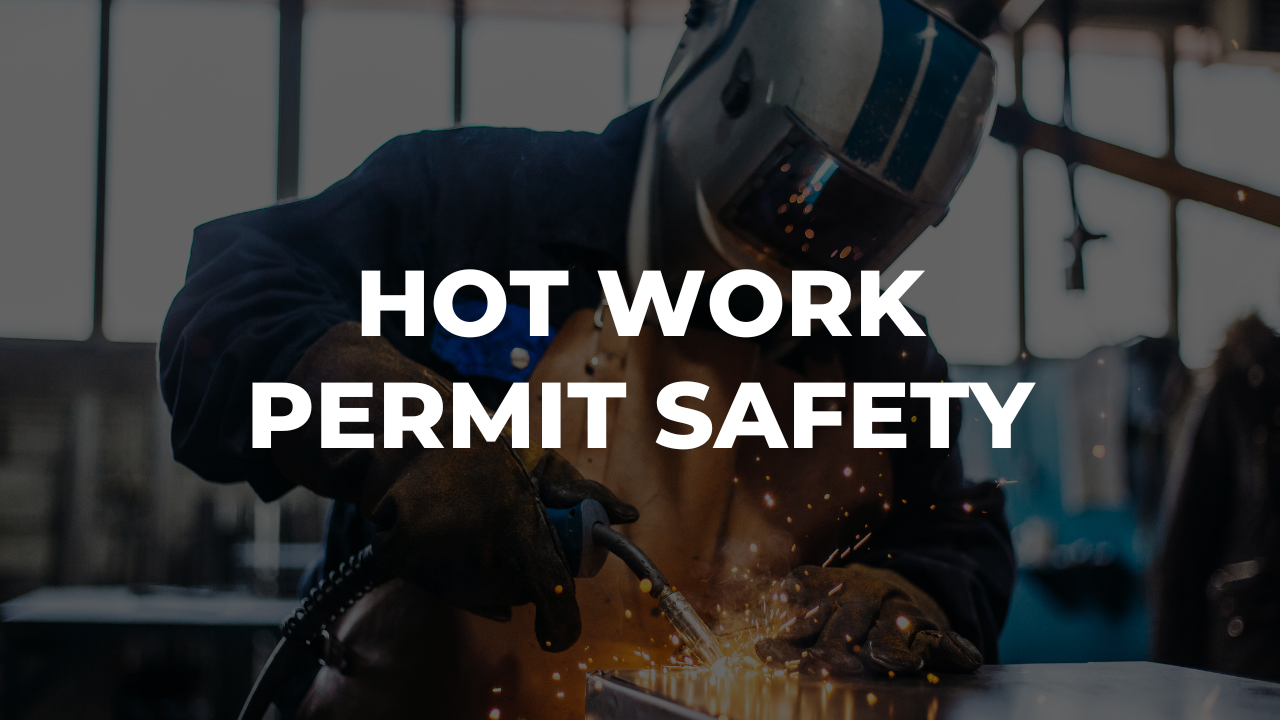
Hot work includes any activity that produces sparks, heat, or open flames, such as welding, cutting, grinding, and brazing. These tasks introduce significant fire and explosion risks, especially in environments with flammable materials or hazardous atmospheres. A hot work permit process helps control these risks by requiring a formal review of hazards, verification of safety precautions, and documented authorization before work begins.
A complete hot work program includes hazard assessments, work area preparation, clearly defined roles, active monitoring, and post-work inspections. Key personnel in the process work together to prevent incidents. When combined with consistent training and safety software, companies can improve compliance, strengthen documentation, and proactively reduce risk across all hot work operations.
Key Takeaways
- Hot work is a leading cause of workplace fires and requires strict controls to prevent incidents.
- A hot work permit ensures hazards are identified and safety measures are in place before work begins.
- Clearly defined roles create multiple layers of protection during hot work operations.
- Continuous monitoring, including fire watch and gas testing, is critical for preventing ignition.
- Training and safety software help standardize processes, improve compliance, and reduce risk over time.
What is Hot Work and Why Does it Require Strict Controls?
Hot work includes any activity that produces open flames, sparks, or heat capable of igniting flammable materials. While this definition is straightforward, the risk profile of hot work is far more complex. Even routine tasks like grinding or using power tools can generate enough energy to ignite vapors, dust, or combustible debris.
In many industrial environments, hot work takes place near hazardous materials, pressurized systems, or confined spaces. This creates a situation where a single spark can trigger a chain reaction. Fires caused by hot work often spread quickly because ignition sources aren’t always visible, and combustible materials may be present outside the immediate work area.
Common examples of hot work include:
- Welding and torch cutting
- Grinding and abrasive blasting
- Soldering and brazing
- Use of open flames or spark-producing tools
Each of these activities introduces ignition risks that workers must carefully manage to prevent safety incidents. What makes hot work particularly dangerous is that it often occurs during maintenance or non-routine operations, when normal safeguards might not be the focus.
Because of these risks, hot work is one of the leading causes of industrial fires. Regulatory agencies and industry standards require you to implement strict controls to prevent incidents. A structured permit system is necessary to make sure that workers evaluate and control hazards before hot work begins, rather than relying on assumptions or experience alone.
What is a Hot Work Permit?
A hot work permit is a form that workers fill out before starting hot work activities to verify that they have walked through the space and controlled potential hazards. More than that, though, it’s a structured safety process that forces teams to evaluate risk before work begins. It serves as both a checklist and a documented authorization that confirms all necessary precautions have been taken.
Under OSHA regulations, hot work permits must be issued for operations conducted on or near covered processes involving flammable or hazardous materials. The permit verifies that teams implement fire prevention and protection requirements prior to starting work.
A typical hot work permit includes:
- Description of the work being performed
- Exact location of the work
- Date and duration of the activity
- Identification of hazards
- Required safety precautions
- Authorization signatures
These elements ensure that workers consider every aspect of the job. Without this approach, teams are more likely to overlook critical risks. The permit also creates accountability. By requiring signatures and documentation, it ensures that responsible individuals actively confirm that conditions are safe. Also, this reduces the likelihood of shortcuts or assumptions that could lead to incidents.
OSHA and NFPA Requirements for Hot Work
A combination of regulatory requirements and industry best practices govern hot work safety. Understanding these standards will help you build compliant and effective safety programs.
OSHA Standards Related to Hot Work
OSHA outlines several standards that directly or indirectly apply to hot work operations:
- 29 CFR 1910.106 – Flammable and combustible liquids
- 29 CFR 1910.252 – Welding, cutting, and brazing
- 29 CFR 1910.253 – Oxygen-fuel gas welding and cutting
- 29 CFR 1910.254 – Arc welding and cutting
- 29 CFR 1910.255 – Resistance welding
These standards define requirements for equipment, ventilation, fire prevention, and safe work practices. Also, they reinforce the need for hazard assessments and proper training.
NFPA 51B Standard Overview
NFPA 51B provides detailed guidance specifically focused on fire prevention during hot work. It outlines best practices for:
- Implementing permit systems
- Assigning fire watch personnel
- Preparing work areas
- Monitoring conditions during and after work
Companies that meet NFPA standards often reduce incident rates and improve overall safety performance.
Additional Industry Resources
Industry groups such as the American Petroleum Institute (API) provide additional guidance for high-risk environments. These resources are great for tailoring your program to specific operational risks.
The Hot Work Permit Process Step by Step
A standardized process ensures that teams perform hot work safely and consistently. Each step builds on the previous one, creating multiple layers of protection. Here’s a full outline of what the hot work permit process includes.
Step 1: Pre-Work Hazard Assessment
Hazard assessment is the foundation of the entire process. Before issuing a permit, supervisors must evaluate the work area for potential risks.
This includes identifying:
- Flammable or combustible materials
- Nearby operations that could introduce hazards
- Potential ignition sources
Don’t forget to consider low-energy sources, such as electrical tools or friction sparks.
Failing to conduct a thorough hazard assessment is one of the most common causes of hot work incidents. Many fires occur because hazards outside the immediate work area are overlooked.
Step 2: Preparing the Work Area
Once workers find hazards, the next step is to prepare the work area to minimize risk. This step ensures that conditions are safe before any hot work begins.
Preparation activities include:
- Removing or shielding combustible materials
- Ensuring proper ventilation
- Verifying fire protection systems are operational
Proper preparation reduces the likelihood of ignition and limits the spread of fire if one occurs.
Step 3: Assigning Roles and Responsibilities
Next, it’s essential to assign clear roles. This is so hot work teams can maintain control. Each person involved in the process must fully understand their responsibilities.
Key roles include:
- Permit Authorizing Individual
- Worker performing hot work
- Fire Watch personnel
- Authorized Gas Tester
Clearly defined roles lead to less confusion and greater accountability during the job.
Step 4: Issuing the Permit
A qualified individual then needs to approve the completed hot work permit. This step formalizes the process and confirms that all safety measures are in place.
The permit documents:
- Work details
- Identified hazards
- Required precautions
- Authorization signatures
This documentation serves as both a safety tool and a compliance record.
Step 5: Monitoring During Work
While hot work takes place, someone needs to continuously monitor to make sure conditions remain safe. Hazards can change quickly, especially in dynamic environments.
Monitoring includes:
- Observing for sparks or fire hazards
- Ensuring safety controls remain in place
- Conducting air monitoring when required
Continuous oversight helps identify issues before they escalate into incidents.
Step 6: Post-Work Inspection and Closeout
Safety doesn’t end when the work is completed. Fires can start after hot work has finished due to smoldering materials.
Post-work activities include:
- Maintaining a fire watch for at least 30 minutes
- Inspecting the area for residual hazards
- Closing and filing the permit
This final step ensures that the work area is safe before normal operations resume.
Watch the Full Hot Work Permit Training
Hot Work Hazards and Risk Factors
Hot work introduces multiple hazards for workers to manage simultaneously. Understanding these risks is critical for effective prevention.
Fire and Explosion Risks
Sparks generated during hot work can travel significant distances and ignite materials that are not immediately visible. In environments with flammable vapors or dust, this can lead to explosions.
Toxic Fumes and Air Quality Hazards
Hot work can also produce harmful fumes, especially when working with coated or treated metals. In confined spaces, these fumes can quickly reach dangerous levels.
Equipment and Human Error Risks
Lastly, improper equipment use, lack of training, and failure to follow procedures all contribute to increased risk. Many incidents occur due to simple mistakes that could have been prevented with proper controls.
What are Hot Work Safety Controls and Best Practices?
Effective safety programs rely on multiple layers of protection. In effect, no single control is sufficient on its own.
Engineering Controls
Engineering controls reduce hazards at the source. Their purpose is to eliminate options for workers to make decisions that create unsafe conditions. Some examples of engineering controls include:
- Ventilation systems to remove fumes
- Barriers to contain sparks
- Fire-resistant materials
Administrative Controls
Administrative controls ensure consistency and accountability. They do this by providing opportunities for reflection, review, and approval before high-risk work takes place. Examples of administrative controls are:
- Permit systems
- Standard operating procedures
- Training programs
Personal Protective Equipment (PPE)
PPE provides a final layer of defense when other controls are not enough. Examples of PPE controls include:
- Welding helmets
- Fire-resistant clothing
- Gloves and eye protection
What are the Roles and Responsibilities in Hot Work Safety?
A successful hot work permit program depends on clearly defined roles and responsibilities. Each person involved in the process plays a specific part in identifying hazards, controlling risks, and preventing incidents. When these roles are executed correctly, they create multiple layers of protection that reduce the likelihood of fires, explosions, and injuries.
The four primary roles in the hot work permit process work together to ensure that workers address hazards before, during, and after the job. Their responsibilities extend beyond simple oversight. They actively monitor conditions, enforce procedures, and take immediate action when risks arise.
The Permit Authorizing Individual
The Permit Authorizing Individual (PAI) serves as the gatekeeper for hot work activities. This role typically belongs to a supervisor, safety professional, or maintenance manager with the authority and expertise to evaluate risk.
Before issuing a permit, the PAI conducts a thorough review of the worksite and planned activity. This includes:
- Evaluating the location for flammable or combustible materials
- Identifying nearby processes that could introduce hazards
- Verifying that all required safety controls are in place
They also confirm that workers involved in the task are properly trained and understand the procedures they are expected to follow. This step is critical because even well-documented processes can fail if workers are not adequately prepared.
In addition to approving the permit, the PAI ensures that fire protection systems are operational, there are clear emergency procedures in place, and there’s sufficient documentation of the hot work permit.
The Worker Performing Hot Work
The worker performing hot work is responsible for executing the task safely according to the permit requirements. While this may seem straightforward, it requires constant awareness and adherence to procedures.
Before beginning work, the worker must:
- Review the hot work permit and understand all listed precautions
- Inspect tools and equipment to ensure they are in safe working condition
- Confirm that the work area has been properly prepared
During the task, the worker plays an active role in preventing incidents by:
- Maintaining control of sparks, heat, and ignition sources
- Using appropriate personal protective equipment (PPE)
- Staying alert to changes in the work environment
One of the most important responsibilities of the worker is recognizing when conditions become unsafe. If hazards like unexpected vapors, equipment malfunctions, or inadequate ventilation form, then the worker must stop work immediately and report the issue.
The Fire Watch
The Fire Watch is the dedicated observer responsible for detecting and responding to fire hazards during hot work operations. This role is essential because ignition can occur at any time, often in areas that workers performing the task might not see.
Before work begins, the Fire Watch ensures that:
- Fire extinguishing equipment is present and fully operational
- The surrounding area has been inspected for combustible materials
- They have a clear understanding of emergency procedures
During hot work, the Fire Watch maintains constant vigilance by:
- Monitoring for sparks, embers, or signs of ignition
- Observing areas beyond the immediate work zone where sparks may travel
- Remaining focused solely on fire prevention without taking on additional tasks
Undivided attention is critical because even a brief distraction can allow a small ignition source to develop into a larger fire.
The Fire Watch continues to monitor the area for at least 30 minutes after hot work finishes to detect smoldering materials or delayed ignition. This post-work monitoring period is one of the most effective ways to prevent fires that occur after operations have ended.
Free Template
Get a copy of our fire watch log for your team to use.

Authorized Gas Tester
The Authorized Gas Tester (AGT) is responsible for ensuring that the atmosphere in the work area is safe for hot work. In environments where flammable gases or vapors may be present, this role becomes critical to preventing explosions.
Before work begins, the AGT:
- Verifies that gas detection equipment is properly calibrated
- Conducts initial air monitoring to establish baseline conditions
- Confirms that gas levels are within safe limits
During hot work, the AGT may perform continuous or periodic monitoring to detect changes in atmospheric conditions. This is especially important in environments where gas levels can fluctuate due to nearby operations or environmental factors.
Key responsibilities include:
- Monitoring for flammable gas concentrations
- Identifying when levels approach or exceed safe thresholds
- Communicating findings to the team in real time
If gas levels rise above acceptable limits, the AGT has the authority to stop work immediately. This decisive action prevents potentially catastrophic incidents by eliminating ignition risks before they escalate.
Hot Work Permit Checklist
Having a good hot work permit checklist for your facility or worksite reinforces the steps required for safe operations. It also ensures consistency across teams. Here’s a basic example of what that might look like:
| Step | Requirement | Responsible Role | Completed |
|---|---|---|---|
| Hazard Assessment | Identify fire risks | Supervisor |
|
| Area Preparation | Remove combustibles | Worker | |
| Fire Watch Assigned | Qualified personnel present | Supervisor |
|
| Permit Issued | Approved and documented | Authorizer |
|
| Monitoring | Continuous oversight | Fire Watch |
|
| Post-Work Check | Area inspected | Fire Watch |
|
Teams that use a checklist may be less likely to overlook critical steps in high-pressure situations. This, however heavily depends on your safety culture. Pencil whipping of forms and checklists is a telltale sign that your team doesn’t care about safety or doesn’t understand the importance of the process. As an operations or safety leader, your job is to help them understand the hot work process in its entirety, so they understand the risk of missing a critical check.
Frequently Asked Questions About Hot Work
How Companies Reduce Risk with Safety Software
Reducing hot work risk requires more than procedures and checklists. Even well-designed programs can break down when training is inconsistent, documentation is incomplete, or early warning signs go unnoticed. This is where safety software plays a critical role. Combining great training with real-time data and accountability means you can move from reactive safety management to a proactive, risk-reduction strategy.
Two types of software have the greatest impact on hot work safety performance: learning management systems (LMS) and action tracking software. Together, they create a closed-loop system that improves training outcomes, strengthens documentation, and helps you identify and eliminate risk patterns before they lead to incidents.
Improving Training Outcomes with a Learning Management System
Hot work safety depends heavily on worker knowledge and decision-making. If employees don’t fully understand the risks, permit requirements, or their responsibilities, even the best procedures can fail. A system like Frontline LMS ensures that your team delivers, tracks, reinforces, and continuously improves training.
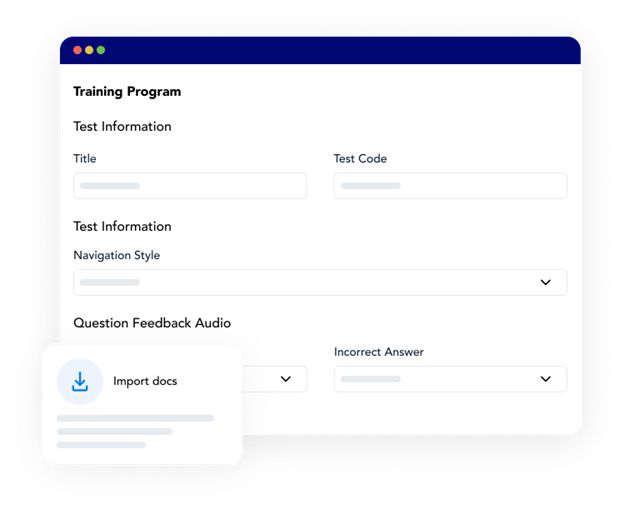
With an LMS in place, you can:
- Assign role-specific training based on job responsibilities
- Standardize course content across all locations
- Track completion and certification status in real time
- Automate reminders for retraining and recertification
This level of structure ensures that every worker involved in hot work receives consistent, up-to-date training. It also eliminates gaps that form with manual tracking methods, such as missed certifications or outdated records.
Beyond compliance, an LMS improves safety knowledge retention. Interactive courses, video-based training, and periodic refreshers help reinforce key concepts like hazard recognition, fire watch responsibilities, and permit procedures. Over time, this leads to better decision-making in the field and fewer preventable errors.
Free EHS Training Guide
Our EHS Training Audit Guide is a great resource for evaluating your current approach to safety training and finding new ways to improve!
Strengthening Audit Readiness with Action Tracking Software
Hot work programs generate a significant amount of documentation, including training records, permits, and inspection logs. The best way to store this information is in a safety software system like Frontline ACT which makes it easier to:
- Maintain accurate training records
- Demonstrate compliance during OSHA inspections
- Provide proof of employee competency
- Ensure documentation is complete and up to date
This level of visibility is especially important in high-risk industries, where regulators expect clear evidence that workers have training and follow safety procedures consistently.
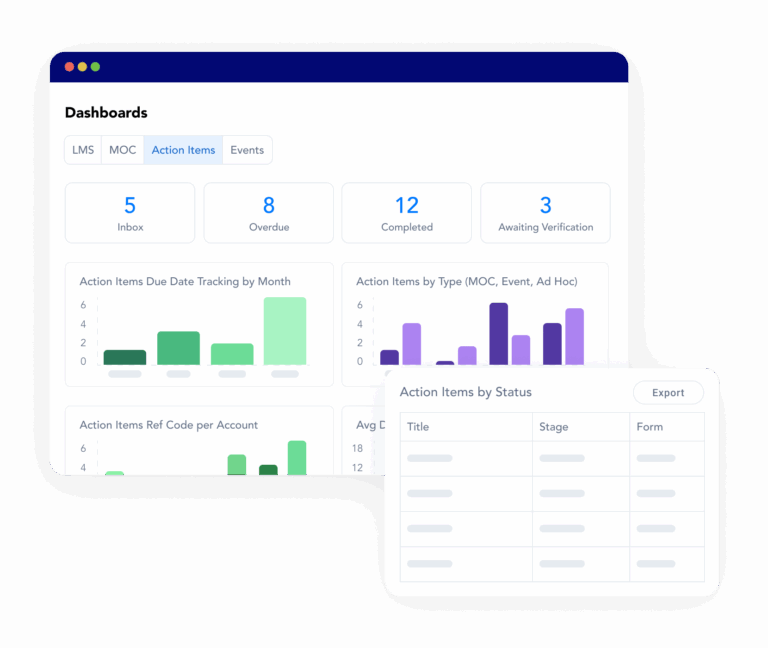
While training ensures that workers know what to do, corrective action software helps you understand what’s actually happening in the field. It captures data from incidents, near misses, audits, and inspections, creating a comprehensive view of safety performance. You can use this data to find:
- Repeated permit violations in specific areas
- Frequent near misses involving hot work tasks
- Gaps in fire watch coverage or post-work monitoring
- Trends related to specific teams, shifts, or locations
Without this level of insight, many risks remain hidden until an incident occurs. Action tracking software turns isolated events into actionable intelligence, enabling safety teams to address root causes rather than symptoms.
Want to take your hot work program to the next level? Learn how NeoGraf used Frontline EHS software to improve training and compliance. If you’re interested in doing them same, book a demo with our sales team to learn more about the benefits of digital safety management.