
Radiation Safety Training Course
Radiation can have long-term effects on worker health and safety. This training explains the sources of radiation exposure and how to better protect your team.
Who It’s For: Safety managers, supervisors, maintenance teams, and contractors
Time to Watch: 8–10 minutes
Summary
Radiation is a natural and unavoidable part of the environment, but it presents risks in occupational settings if management and frontline workers don’t take the proper precautions. In industrial, medical, and research environments, workers may encounter both naturally occurring radioactive material (NORM) and man-made radiation sources. This training course expands upon the key principles of radiation safety, helping you understand how radiation behaves, where exposure risks come from, and what practical steps reduce those risks in the workplace.
A strong radiation safety program focuses on awareness, monitoring, and control. By understanding exposure pathways, regulatory requirements, and proven protection strategies like time, distance, and shielding, you can significantly reduce risk. When combined with structured procedures, training, and modern safety systems, radiation hazards are manageable and predictable rather than uncertain and dangerous.
Key Takeaways
- Radiation exists naturally and artificially, and workers are exposed to it in many industries.
- Ionizing radiation poses the greatest health risk due to its ability to damage cells.
- Most occupational risk comes from cumulative exposure over time, not isolated events.
- Monitoring, training, and documentation are essential for maintaining compliance and preventing incidents.
- Learning management systems (LMS) can improve training visibility and outcomes to reduce risks for frontline workers.
Free EHS Training Guide
Our EHS Training Audit Guide is a great resource for evaluating your current approach to safety training and finding new ways to improve!
What is Radiation and Why Does It Matter in the Workplace?
Radiation is energy that travels through space in the form of waves or particles. It’s invisible, odorless, and undetectable by human senses. This makes it particularly challenging to manage without proper tools and radiation safety training.
In occupational environments, radiation becomes a safety concern when exposure levels exceed natural background levels or when workers interact directly with radioactive materials. While low levels of radiation are present everywhere, higher exposures can increase the risk of long-term health effects such as cancer.
Radiation matters in the workplace for three primary reasons:
- You can’t detect it without specialized equipment.
- Exposure risk accumulates over time.
- Improper handling can lead to contamination and long-term hazards.
Understanding these factors is the first step toward building a reliable radiation safety program. Check out our blog post “Radiation Safety Levels According to OSHA” to learn more about the regulatory limits.
What are the Main Types of Radiation?
Radiation falls into two broad categories, each with different implications for workplace safety: particle radiation and electromagnetic radiation.
Particle Radiation
Particle radiation consists of subatomic particles that carry both energy and mass. The most common types include alpha particles and beta particles.
These particles behave differently depending on their energy levels and the materials they encounter:
- Alpha particles can’t penetrate skin but pose serious risks if inhaled or ingested.
- Beta particles can penetrate skin to a limited extent and become hazardous through direct exposure or ingestion.
Electromagnetic Radiation
Electromagnetic radiation consists of pure energy waves, including gamma rays, x-rays, and light waves. Gamma radiation is particularly important in workplace safety because it can penetrate deeply into materials and the human body.
Ionizing vs. Non-Ionizing Radiation
The most critical distinction in safety programs is between ionizing and non-ionizing radiation.
Ionizing radiation has enough energy to remove electrons from atoms, creating charged particles known as ions. This process can damage biological tissue and increase the risk of disease.
Non-ionizing radiation, such as radio waves or microwaves, doesn’t have enough energy to cause this type of damage. For most industrial applications, ionizing radiation is the primary concern.
Where Does Radiation Come From?
Radiation sources fall into two main categories: natural and man-made. Both contribute to overall exposure levels, and you need to consider both in safety planning.
Natural Background Radiation
Natural radiation has always existed and continues to expose all living organisms. The primary sources include:
- Cosmic radiation from space
- Solar radiation from the sun
- Terrestrial radiation from soil and rock
- Radon gas
Radon is particularly significant because it can accumulate indoors and contribute to long-term exposure risks. It’s a colorless, odorless gas that forms from the decay of uranium in soil and rock.
Man-Made Radiation Sources
Man-made radiation is generated through industrial and technological processes. Common sources of this type of radiation include:
- Medical imaging and treatment equipment
- Industrial gauges and measurement devices
- Nuclear power generation
- Research and laboratory applications
Although natural and artificial radiation are physically identical in their effects, man-made sources often introduce higher exposure risks due to their concentration and controlled use.
Applications of Radiation Across Industries
Radiation plays a critical role in many industries, which makes understanding its safe use essential. Here are some examples of jobs and processes that have a risk of exposure.
Medical Applications
- Diagnostic imaging such as X-rays
- Cancer treatment through radiation therapy
Industrial Applications
- Measuring material thickness and density
- Inspecting structural integrity
- Reducing static electricity in manufacturing
Energy and Power Generation
- Nuclear power plants use controlled radiation processes to generate electricity
- Consumer and safety use
- Smoke detectors
- Self-illuminating exit signs
While these applications provide significant benefits, they also require strict controls to prevent unnecessary exposure.
How is Radiation Exposure Measured?
Understanding how to measure radiation is essential for evaluating risk and ensuring compliance. Typically, you can measure radiation in terms of:
- Source strength (radioactivity)
- Energy level
- Environmental presence
- Absorbed dose
From a safety perspective, absorbed dose is the most important metric because it represents the amount of radiation energy entering the body.
Here are some common units of measurement related to radiation testing:
|
Measurement Type |
Unit |
Purpose |
|
Exposure |
Roentgen (R) |
Measures radiation in air |
|
Dose |
REM / Millirem (mrem) |
Measures biological impact |
|
SI Unit |
Sievert (Sv) |
International standard |
For context, the average annual exposure in the U.S. is approximately 360 mrem. In the workplace, however, radiation limits may reach up to 5,000 mrem per year for trained workers. These limits are designed to minimize long-term health risks.
Radiation Exposure Limits and Regulations
Regulators put rules in place to keep frontline workers safe from the harmful side effects of prolonged radiation exposure. Check out the agency pages below to see their guidelines and advice for radiation safety programs:
- Occupational Safety and Health Administration (OSHA)
- Nuclear Regulatory Commission (NRC)
- Environmental Protection Agency (EPA)
- Department of Energy (DOE)
Regulations focus on:
- Exposure limits for workers and the public
- Monitoring and reporting requirements
- Labeling and posting of radiation areas
- Training and documentation
For example, NRC regulations establish a 100 mrem per year limit for the public, and 5,000 mrem per year limit for occupational exposure. These standards ensure that exposure remains within acceptable risk levels.
Watch the Full Radiation Safety Training
Health Effects of Radiation Exposure
Radiation affects the human body in different ways depending on dose, duration, and exposure pathway. There are two types of effects: somatic ones and genetic ones.
Somatic effects occur in the individual exposed and may include either immediate (high-dose) effects or long-term health issues such as cancer. Most workplace exposures fall into the long-term category, where risks develop over years or decades.
Genetic effects involve changes that may impact future generations. While scientists have observed these effects in animal studies, human data shows limited evidence beyond normal variation.
Cancer Risk
Radiation exposure increases the probability of cancer, particularly:
- Lung cancer from inhaled materials
- Thyroid cancer from iodine exposure
- Digestive cancers from ingestion
The risk increases proportionally with total exposure over time.
How to Evaluate Radiation Risks
Radiation risk is based on probability rather than certainty. For example, a dose of 1 REM increases cancer risk slightly across a population. The increase may be statistically measurable but small for individuals. This leads to a key principle in radiation safety:
The goal is not to eliminate exposure entirely, but to reduce it as much as reasonably achievable.
This concept is often referred to as ALARA (As Low As Reasonably Achievable).
Consider forming a radiation safety committee to assess and tackle the risks within your processes.
Core Principles for Reducing Radiation Exposure
Radiation safety programs rely on three fundamental controls. The first one is time. Reducing the amount of time spent near radiation sources lowers total exposure. Effectively, shorter exposure equals a lower dose of radiation. That’s why planning and efficiency are critical.
Distance is another key factor. Radiation intensity decreases rapidly with distance. In fact, doubling your distance away from the source can significantly reduce exposure. Remote handling tools like dosimeters are essential in high-risk environments with radiation concerns.
Lastly, shielding is another effective way to reduce radiation exposure. This is when barriers absorb or block radiation before it reaches the body. Using the correct shielding material is essential for effective protection.
|
Radiation Type |
Effective Shielding |
|
Alpha |
Air, paper |
|
Beta |
Plastic, aluminum |
|
Gamma |
Lead, concrete, water |
Additional Controls: Containment and Monitoring
Beyond time, distance, and shielding, there are additional safeguards you can put in place. Containing radioactive materials to controlled areas is a good way to prevent spreading. Aim for closed systems, sealed containers, and controlled ventilation to mitigate risks.
Once you have the right controls set up, consistent monitoring is the only way to prevent long-term radiation exposure risks. In this setup, workers use specialized equipment to track exposure. For example, dosimeters measure individual exposure while survey meters detect environmental radiation. Continuous monitoring ensures that exposure levels remain within safe limits.
Safe Handling of NORM (Naturally Occurring Radioactive Material)
NORM presents unique challenges because it exists in many industrial materials, particularly in oil, gas, and mining operations. Key handling practices to follow include:
- Separating contaminated and non-contaminated materials
- Storing materials in sealed containers or drums
- Limiting access to controlled areas
- Storing waste in designated areas with proper labeling
- Maintaining distance between storage containers
- Keeping accurate records for the life of the facility
Proper waste handling reduces long-term environmental and occupational risk.
Decontamination Procedures for Equipment and Personnel
Radiation decontamination ensures that radioactive material doesn’t spread beyond controlled areas. The first step is to identify contamination using survey meters. Then, you want to clean surfaces with detergent and water and repeat until levels meet acceptable limits.
Next, conduct personnel decontamination. This involves surveying the entire body, washing contaminated areas thoroughly, and repeating until cleared. In cases of injury, allow wounds to bleed to remove contaminants. Wash the wounds immediately and seek medical attention if needed. These procedures prevent contamination from becoming a larger safety issue.
Personal Protective Equipment (PPE) for Radiation Work
PPE provides a final layer of protection when other controls are not sufficient. For radiation safety, common PPE includes:
- Respirators with HEPA or specialized filters
- Protective gloves (rubber, neoprene, or vinyl)
- Coveralls or full-body suits
- Eye and face protection
The type of PPE required depends on the exposure risk and the nature of the work.
Free Template
Get a copy of our PPE hazard assessment form for your team to use.

What are Safe Work Practices for Radiation Exposure?
Consistent work practices are essential for preventing incidents. Some best practices for radiation safety include:
- Following all posted radiation warning signs
- Never bypassing safety controls or equipment guards
- Wearing dosimeters as required
- Avoiding unnecessary exposure
- Using ventilation to reduce airborne contaminants
- Applying wet methods to minimize dust
- Sealing equipment to prevent contamination spread
These practices reinforce the effectiveness of engineering and administrative controls.
What To Do After Radiation Exposure
Even with strong controls, exposure to radiation may occur. If that happens, start by increasing ventilation in enclosed spaces. Then, exit the exposure area if conditions are unsafe and report the incident according to company procedures.
Some radon-specific actions include:
- Opening windows to improve airflow
- Sealing cracks in floors and walls
- Using specialized coatings to reduce emissions
Long-term, you’ll want to make sure your team monitors exposure levels continuously. Don’t forget to review incident causes and implement corrective actions to address them. Once you’ve done that, go deeper and find preventative actions that can either control radiation exposure risks or eliminate them altogether.
How Does Training Strengthens Radiation Safety Programs?
Training is one of the most effective ways to reduce radiation risk. Your radiation safety training course should help workers understand the different radiation types and hazards. After training, they should be able to recognize exposure sources and apply protective measures on the spot.
Overall, workers must understand terminology, exposure risks, regulatory requirements, and prevention methods to work safely with radiation.
Ongoing training reinforces safe behaviors, reduces human error, and improves compliance. If you prioritize training, you’ll create a proactive safety culture and more consistent outcomes.
Frequently Asked Questions About Radiation Safety
How Do Learning Management Systems Improve Training?
Radiation safety programs rely heavily on consistent, accurate, and well-documented training. Even when procedures and controls are well defined, gaps in training can increase risk. A learning management system like Frontline LMS provides the structure needed to eliminate these gaps and standardize training across your organization.
Standardizing Training Across All Locations and Roles
One of the biggest challenges in radiation safety is maintaining consistency across teams, facilities, and job functions. Without a centralized system, training can vary widely depending on location, instructor, or documentation practices.
An LMS solves this by creating a single source of truth for all training content. This ensures that:
- Every worker receives the same core radiation safety training
- Procedures align with regulatory requirements and company standards
- Updates to training materials are applied instantly across all locations
If you’re managing multiple facilities or distributed teams, this level of consistency is critical. It reduces variability in how workers understand and apply safety procedures, which directly lowers risk.
Assigning Role-Based Training for Workers and Contractors
Radiation exposure risks vary significantly depending on job responsibilities. A maintenance technician working near NORM-contaminated equipment faces different hazards than an administrative employee or a contractor performing short-term work.
An LMS allows you to assign training based on roles, ensuring that everyone receives relevant and targeted instruction. Also, this targeted approach improves knowledge retention and ensures that workers aren’t overwhelmed with irrelevant information while still meeting compliance requirements.
Improving Compliance and Audit Readiness
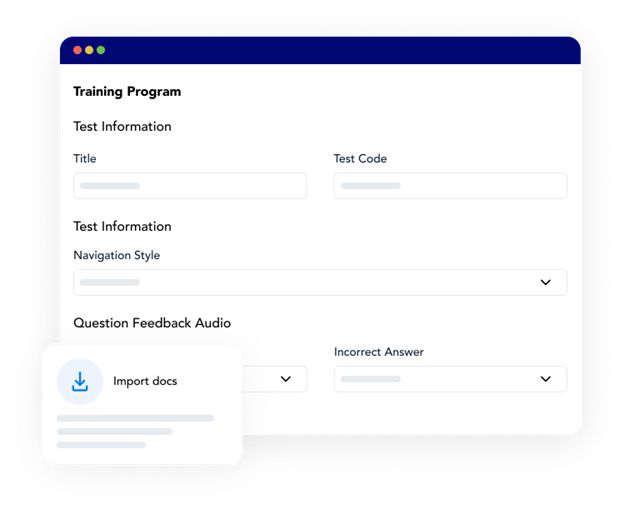
Radiation safety programs are subject to strict regulatory oversight. Agencies expect clear documentation showing that workers have been trained, understand the risks, and are qualified to perform their tasks safely.
Manual tracking methods often lead to expired certifications, missing or incomplete training records, or difficulty producing documentation during audits.
An LMS eliminates these issues by automatically tracking:
- Course completion and certification status
- Training history for each employee
- Expiration dates and retraining requirements
Instead of scrambling to gather records, safety teams can quickly access accurate, up-to-date information.
Automating Retraining and Certification Management
Radiation safety training is not a one-time requirement. Workers must complete refresher training periodically to stay current with procedures, regulations, and best practices.
An LMS automates this process by:
- Sending reminders when training is due
- Assigning refresher courses automatically
- Preventing workers from performing tasks if certifications expire
This reduces administrative burden while reinforcing critical safety concepts over time, which improves decision-making in the field.
Enhancing Knowledge Retention
Traditional classroom training often results in low retention, especially when workers are exposed to large volumes of technical information at once. Radiation safety training concepts like dose limits, exposure pathways, and monitoring techniques, require reinforcement to be effective.
A learning management system supports more engaging and flexible training formats, including:
- Video-based learning modules
- Interactive courses with knowledge checks
- On-demand access for refresher training
These methods allow workers to learn at their own pace and revisit content as needed. Over time, this leads to stronger understanding and more consistent application of safety practices.
Creating Accountability and Visibility
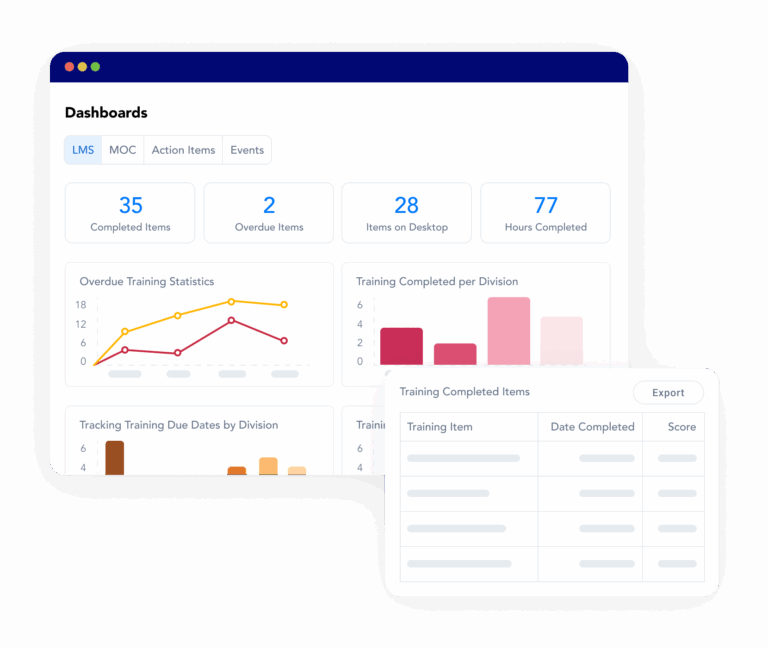
A solution like Frontline LMS gives you better visibility into training performance. With it, you can quickly identify employees with missing training requirements, teams with low completion rates, and gaps in specific training topics.
This visibility creates accountability, so you can act before training gaps lead to safety issues, rather than reacting after an incident occurs.
It also supports better decision-making by connecting training data with operational performance. For example, if a particular team experiences repeated radiation-related near misses, training records can help you determine whether knowledge gaps contributed to the issue.
Supporting Contractor and Third-Party Training Management
Contractors often introduce additional risks because they might not be familiar with site-specific hazards or procedures. Managing contractor training manually can be complex and inconsistent. With an LMS, though, you can assign and track contractor training requirements in the same system as your other workers. This allows you to verify certifications and qualifications in advance. That way, you can provide site-specific radiation safety training.
Connecting Training to Overall Radiation Safety Performance
Another benefit of learning management systems is that they give you better data to make decisions about training. Reporting dashboards can show you the status of your training program at a single glance. And the ability to build reports quickly within a single system cuts down on the time it takes to gather critical information. Ease of access and oversight is something you don’t get with a manual approach to safety training.
Why LMS Adoption Is Critical for Radiation Safety Programs
Radiation safety depends on informed decision-making at every level of the company. Even with strong engineering controls and monitoring systems in place, human error remains a significant factor in exposure incidents.
An LMS addresses this challenge by:
- Ensuring consistent, high-quality training delivery
- Reinforcing critical safety concepts over time
- Providing real-time visibility into training status
- Supporting compliance with regulatory requirements
Companies that have structured training systems are better positioned to prevent incidents, maintain compliance, and protect workers from unnecessary exposure. In high-risk environments where radiation hazards are present, training is one of the most effective controls available.
Interested in a digital approach to safety training? Book a demo with our sales team to learn more about the benefits of Frontline LMS for industrial risk management.