
Forklift Safety Training Course
Forklift accidents can lead to serious injuries, costly downtime, and OSHA violations when operators lack proper training and hazard awareness. This guide explains the fundamentals of forklift safety training.
Who It’s For: Safety managers, supervisors, maintenance teams, and contractors
Time to Watch: 8–10 minutes
Summary
Forklifts are essential pieces of equipment in warehouses, manufacturing plants, construction sites, distribution centers, and industrial facilities. They help companies move materials efficiently, reduce manual labor, and improve productivity. At the same time, forklifts introduce significant workplace hazards when operators lack proper knowledge, equipment inspections are inconsistent, or facilities fail to enforce safe operating procedures.
Forklift safety training helps workers understand how to operate powered industrial trucks safely, recognize hazards before incidents occur, and comply with OSHA requirements. Effective training programs go beyond basic driving instruction. They teach operators how to inspect equipment, manage loads, navigate pedestrian traffic, maintain stability, respond to environmental hazards, and prevent tip-overs or struck-by incidents. Strong forklift safety programs also improve operational efficiency by reducing downtime, equipment damage, and costly injuries.
This guide explains the fundamentals of forklift safety, OSHA forklift training requirements, common hazards, inspection procedures, load handling best practices, pedestrian safety strategies, and the role of software like Frontline LMS in improving long-term compliance and workforce readiness.
Key Takeaways
- Forklift incidents are one of the leading causes of serious injuries and fatalities in warehouses and industrial facilities.
- OSHA requires forklift operators to complete formal instruction, practical training, and performance evaluations before operating equipment independently.
- Preventable behaviors like speeding, overloading, poor visibility, and inadequate inspections often cause forklift accidents.
- Daily inspections, proper load handling, and pedestrian awareness significantly reduce forklift-related risks.
- Learning management systems help companies standardize forklift safety training, improve compliance tracking, and automate refresher training requirements.
Free EHS Training Guide
Our EHS Training Audit Guide is a great resource for evaluating your current approach to safety training and finding new ways to improve!
The Importance of Forklift Safety Training
OSHA classifies forklifts as powered industrial trucks (PITs) and requires employers to ensure operators receive proper training before using the equipment. Forklift safety training teaches workers how to safely operate PIT equipment in industrial environments.
Training programs typically combine classroom instruction, hands-on demonstrations, supervised operation, and operator evaluations. Effective programs teach operators how to recognize and control risks associated with moving heavy materials in active work environments.
PIT safety training usually covers topics like:
- Equipment controls and operating limitations
- Forklift stability principles
- Load capacity and load balancing
- Pre-use inspections
- Battery charging or fuel handling
- Safe travel procedures
- Pedestrian awareness
- Workplace hazards
- OSHA training compliance requirements
- Emergency response procedures
Different forklifts require different types of training. Operators using sit-down counterbalance forklifts may face different hazards than workers using reach trucks, order pickers, pallet jacks, or rough terrain forklifts. Because of this, training should align closely with the actual equipment and work environment.
Training also creates consistency across teams. When every operator follows the same procedures for inspections, travel routes, speed control, and load handling, companies reduce variability that often contributes to incidents.
Industrial Forklift Incidents
Forklifts are involved in thousands of workplace injuries every year. According to OSHA and the Bureau of Labor Statistics, forklift incidents commonly involve struck-by injuries, crushed workers, tip-overs, falling loads, and collisions with pedestrians or structures.
In 2024 alone, there were 84 workplace fatalities involving forklifts, a 29% increase since 2014. These incidents often result in:
- Serious musculoskeletal injuries
- Fractures and crush injuries
- Head trauma
- Permanent disabilities
- Fatalities
- Property damage
- Product loss
- Production downtime
Many forklift incidents occur in high-risk environments where workers are under pressure to move materials quickly. Warehouses, manufacturing facilities, and shipping centers frequently contain:
- Congested aisles
- Blind corners
- Pedestrian traffic
- Elevated storage systems
- Uneven surfaces
- Loading docks
- Limited visibility areas
When operators rush, skip inspections, ignore load limits, or operate without sufficient training, risk levels increase dramatically.
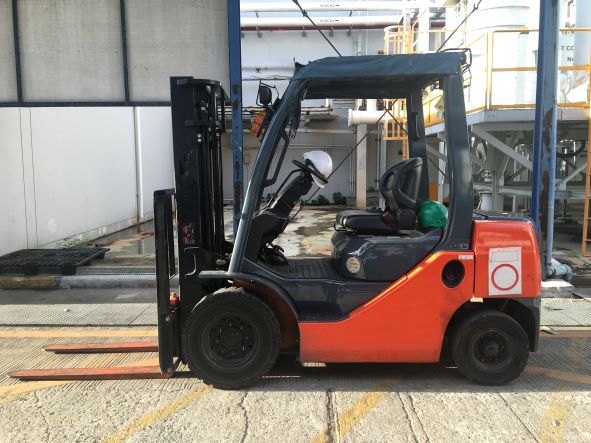
Forklift safety is also a major business issue beyond injury prevention. A single incident may lead to:
- OSHA citations
- Increased insurance costs
- Equipment replacement expenses
- Workers’ compensation claims
- Production delays
- Product damage
- Lost inventory
- Reduced employee morale
Strong forklift safety training programs reduce both safety risks and operational disruptions. Companies that invest in training often experience better equipment longevity, fewer near misses, and improved warehouse efficiency.
What are OSHA’s Forklift Training Requirements?
OSHA regulates forklift safety under 29 CFR 1910.178, the powered industrial truck standard. This regulation establishes the minimum training and operational requirements employers must follow. Under OSHA rules, forklift operators must successfully complete formal instruction, practical training, and performance evaluation.
Formal instruction may include things like classroom or online training, videos, written materials, and instructor-led discussions.
Meanwhile, practical training includes:
- Demonstrations by qualified trainers
- Hands-on equipment operation
- Supervised driving exercises
- Load handling practice
You must evaluate operators in the workplace to confirm they can safely operate the equipment under real working conditions. OSHA requires retraining when an operator demonstrates unsafe operation or when they are involved in an accident or near miss. You also need to do retrains when changing workplace conditions or adding new equipment.
Under the OSHA standard, operators must go through evaluations at least once every three years.
OSHA specifies several required training topics, including:
|
Training Area |
Examples |
|
Operating Instructions |
Steering, braking, controls, visibility |
|
Vehicle Stability |
Tip-over prevention, center of gravity |
|
Load Handling |
Capacity limits, securing loads |
|
Inspections |
Daily checks, defect reporting |
|
Workplace Hazards |
Pedestrian traffic, ramps, dock edges |
|
Fueling and Charging |
Battery charging, propane handling |
|
Surface Conditions |
Wet floors, uneven terrain |
|
Environmental Hazards |
Poor lighting, confined spaces |
Generic forklift training alone isn’t enough to fully satisfy OSHA expectations if it doesn’t address actual workplace hazards. Make sure your training is site-specific for the best results.
Types of Forklifts and Their Unique Hazards
Different powered industrial trucks introduce different operating challenges and hazards. Understanding these differences helps you tailor forklift safety training more effectively.
Counterbalance Forklifts
Counterbalance forklifts are among the most common forklifts in industrial facilities. These vehicles use a rear counterweight to offset the load carried in front.
Common hazards include:
- Tip-overs during turns
- Excessive speed
- Elevated loads blocking visibility
- Improper load balancing
Reach Trucks
Reach trucks are for narrow aisle warehouse operations and high-rack storage systems. They pose hazards like falls from elevated heights, rack collisions, reduced visibility, and load instability at elevation.
Order Pickers
Order pickers lift operators along with the load platform. These forklifts require specialized fall protection awareness. Improper harness use, falling objects, overreaching from platforms, and falls from elevation are the main risks with these types of forklifts.
Pallet Jacks
Powered pallet jacks may appear less dangerous than traditional forklifts, but they still cause many workplace injuries. They often cause foot injuries, pinch points, struck-by incidents, and sudden stops or collisions.
Rough Terrain Forklifts
Construction sites and outdoor environments often use rough terrain forklifts. These environments introduce hazards like uneven surfaces, mud and debris, reduced traction, and rollover risks. Each equipment type requires targeted training specific to its operational environment and limitations.
What are the Most Common Causes of Forklift Accidents?
Most forklift incidents are preventable. Understanding the root causes allows you to focus training efforts on the processes, departments, or locations that need them the most.
The most common causes of forklift accidents are:
- Speeding: Excessive speed reduces reaction time and increases stopping distance. This can cause pedestrian collisions, tip-overs, rack impacts, and product damage.
- Improper Turning: Forklifts have a high center of gravity and rear-wheel steering, which creates instability during turns. Sharp turns at high speeds frequently cause tip-overs.
- Overloading: Every forklift has a rated load capacity, and exceeding this capacity affects stability and braking performance. This can cause falling loads, tipping forward, or loss of steering control.
- Poor Visibility: Large loads can obstruct the operator’s view and cause dock accidents, impacts, or pedestrian strikes.
- Inadequate Inspections: Mechanical failures often occur because defects were not identified before operation. This includes issues like worn tires, faulty brakes, hydraulic leaks, etc.
- Lack of Training: Inexperienced operators may not understand safe operating speeds, stability principles, or load center calculations. Training deficiencies are still one of the biggest contributors to serious forklift incidents.
Forklift Stability and Tip-Over Prevention
Forklift stability is one of the most important concepts for operations to understand. Unlike passenger vehicles, forklifts are inherently less stable due to their design. Stability depends on maintaining balance within the “stability triangle” formed by the vehicle’s wheels and center of gravity.
When the combined center of gravity shifts outside this triangle, the forklift can tip over.
Travel speed, turning angle, mast tilt, surface conditions, and load weight and height affect stability. To avoid tip-overs, operators can drive slowly around corners and avoid sudden stops. They should also keep loads low while traveling and never exceed capacity limits. Operating on stable surfaces and using proper mast title is critical to keeping the forklift equipment steady and upright.
Tip-overs become especially dangerous when operators attempt to jump from the forklift. OSHA recommends operators remain inside the protective cage, brace themselves, and lean away from the direction of the fall.
Watch the Forklift Safety Training Video
What are Forklift Inspection Procedures?
Daily forklift inspections are essential for preventing equipment failures and identifying hazards before operation begins. Operators should inspect forklifts at the start of each shift. Here are some the inspection areas they should check every day:
- Tires: Excessive wear, damage, embedded debris, proper inflation
- Forks: Cracks, bending, uneven wear, locking pin issues
- Hydraulics: Leaks, damaged hoses, low fluid levels
- Brakes & Steering: Responsive steering, proper braking, parking brake function
- Safety Devices: Horns, backup alarms, lights, seat belts, warning systems
Inspection Documentation
Keeping detailed inspection records is critical for OSHA compliance. Without them, any incident involving a piece of equipment can increase your risk of costly citations. Your records can prove that you properly maintained forklift equipment, protecting you for liability purposes.
Aside from compliance, documentation also helps you keep track of recurring maintenance issues. This is helpful for negotiating with equipment vendors, as well as keeping unsafe equipment out of use. For example, imagine you keep having the same issue with the brakes on a specific forklift model. Documenting recurring repairs can show the manufacturer all the problems you’ve had. You could use this to get a discount on your next order or to arrange a refund for particularly frustrating equipment.
Inspection documentation can also improve accountability within your team. You can see patterns of which technicians complete the most tickets or which shifts submit the most tickets. This allows you to address any inequities and ensure that workers treat forklift equipment well across all teams and departments.
Safe Forklift Load Handling Practices
Improper load handling is a major contributor to forklift incidents. Operators should understand how load placement affects stability and visibility.
Every forklift includes a data plate listing maximum load capacity.
Capacity depends on factors like load center, mast height, attachments, and fork position. A forklift operator should never guess the load weight for their equipment.
Loads should remain stable and secure at all times. This means having them centered on the forks, tilted slightly backward during travel, and low to the ground
A forklift operator should drive in reverse when their load obstructs visibility. To move safely, they should avoid sudden acceleration, slow down on inclines, and keep forks low during movement.
Improper stacking procedures create falling object hazards. Safe stacking practices include:
- Ensuring stable surfaces
- Maintaining clear visibility
- Avoiding over stacking
- Keeping aisles clear
Pedestrian Safety Around Forklifts
Forklift-pedestrian incidents are among the most severe warehouse accidents.
Pedestrians often underestimate forklift stopping distances or fail to notice approaching equipment. That’s why your facility should physically separate pedestrian traffic from forklift routes whenever possible. You can do this with guardrails, painted walkways, safety barriers, or restricted access zones.
Improving visibility is another way to prevent PIT-pedestrian accidents. Consider adding mirrors at blind corners, warning lights, audible alarms, and improved lighting. This should help forklift drivers see better, decreasing the likelihood of an impact.
Both pedestrians and operators also need clear communication procedures. For example, pedestrians should make eye contact with operators to verify right-of-way. They should also avoid walking under elevated loads and stay out of forklift travel lanes.
Meanwhile, operators should use horns at intersections, slow down near pedestrians, and maintain clear sight lines.
Loading Dock Forklift Safety
Loading docks create risks due to changing surfaces, trailer movement, and fall hazards. Common loading dock incidents involve:
- Forklifts falling off dock edges
- Trailer separation
- Dock plate failures
- Poor trailer stability
Forklift drivers should verify that trailer brakes are engaged and use wheel chocks or trailer restraints to control risks. They should always inspect dock plates before use, drive slowly inside trailers, and maintain awareness of trailer capacity.
Facilities should routinely inspect dock equipment and establish clear traffic procedures. This is especially important for dock door seals which can cause slippery conditions on rainy days.
[Get our free Loading Dock Safety Checklist for your workers to inspect the area before they drive a forklift into it.]
Environmental and Workplace Forklift Hazards
Forklift safety training should address environmental conditions specific to the workplace.
One example of this is reduced traction increases stopping distance and rollover risk. To counterbalance this risk, forklift drivers should reduce speed and avoid sharp turns.
Low visibility also increases collision potential. That’s why you should maintain proper lighting in warehouses, loading docks, storage aisles, and outdoor travel routes. You can even use motion-detecting lights to save on energy costs while keeping workers safe.
Loud environments reduce awareness of alarms and approaching equipment. That’s why visual warning systems are especially important in high-noise areas.
Meanwhile, tight spaces increase collision risk and reduce maneuverability. Forklift operators should use extra caution around narrow aisles, doorways, corners, congested areas, etc.
Forklift Maintenance and Preventive Care
Forklift maintenance directly impacts workplace safety. Brake failures, hydraulic leaks, steering problems, tire blowouts, and battery hazards are just some of the issues you can run into.
That’s why having a strong maintenance program is key for preventing incidents. This involves:
- Scheduled servicing
- Inspection tracking
- Defect reporting systems
- Maintenance documentation
- Removal of unsafe equipment from service
Forklift drivers should never continue using forklifts with known safety defects.
But training alone isn’t enough to reduce incidents long term. You need a workplace culture that reinforces safe behaviors consistently. Supervisors and managers play a major role in setting expectations.
Reporting Near Misses
Leadership should enforce safety rules consistently and address unsafe behaviors quickly to influence frontline workers. Investigating near misses is another important way to communicate the importance of safety.
Near misses provide valuable insight into hidden hazards before injuries occur.
Companies should encourage workers to report:
- Unsafe conditions
- Equipment problems
- Pedestrian concerns
- Visibility issues
If a worker reports a near miss and there’s no follow-up, they’re less likely to make future reports. Over time, a lack of focus on safety reduces participation and creates a workforce with no sense of personal safety.
Continuous Improvement
Forklift safety programs should evolve based on incident investigations and audit findings. This is the only way to truly eliminate hazards and prevent recurring safety issues. Use employee feedback to make operational changes, so you’re always considering the perspective of the person doing the actual work.
Companies that regularly review procedures often identify risks before they escalate into serious incidents.
Forklift Safety Training Checklist
The following checklist outlines core elements of a strong forklift safety program.
|
Program Element |
Purpose |
|
Operator Training |
Teach safe operating procedures |
|
Hands-On Evaluations |
Verify operator competency |
|
Daily Inspections |
Identify equipment defects |
|
Maintenance Program |
Prevent mechanical failures |
|
Pedestrian Controls |
Reduce struck-by incidents |
|
Speed Management |
Prevent collisions and tip-overs |
|
Load Handling Procedures |
Maintain stability |
|
Refresher Training |
Reinforce safe behaviors |
|
Incident Investigations |
Identify root causes |
|
Documentation Systems |
Improve compliance tracking |
Free Download
Download our free forklift inspection checklist template to get started!
Frequently Asked Questions About Forklift Safety
How Frontline LMS Improves Safety Training
Managing forklift safety training manually becomes difficult as you grow. Companies with multiple facilities, rotating shifts, contractors, temporary workers, and changing operational requirements often struggle to maintain consistent training records and refresher schedules using spreadsheets or paper documentation.
A learning management system like Frontline LMS standardizes forklift safety training while improving compliance visibility and workforce readiness.
With it, you can:
- Assign forklift safety training automatically based on job roles
- Deliver standardized training content across locations
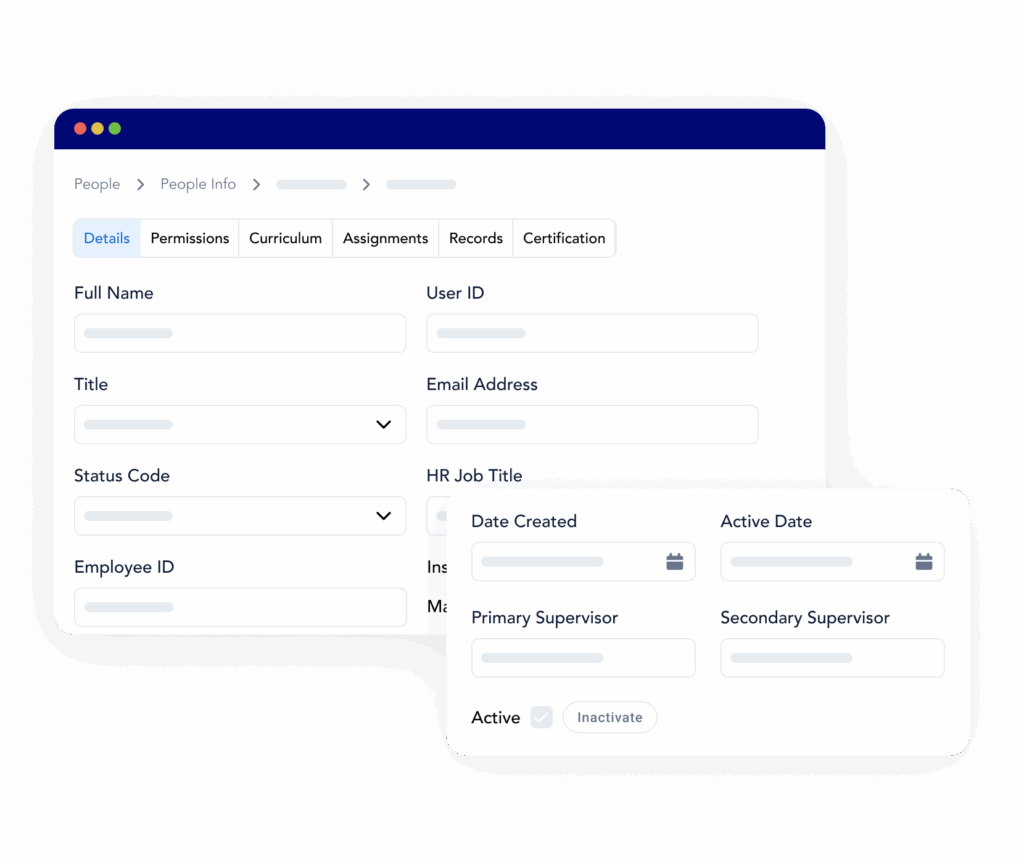
- Track operator certifications and expiration dates
- Automate refresher training reminders
- Store inspection and training documentation digitally
- Monitor completion rates in real time
- Improve audit readiness
- Reduce administrative workload
Software makes it easier to onboard new employees and contractors before they begin operating equipment. Instead of relying on paper records, safety managers can instantly verify whether workers completed required training.
Frontline LMS improves workforce readiness by creating structured, repeatable training processes that support long-term safety. The platform’s focus on usability, configurability, and compliance management aligns especially well in high-risk environments with complex safety requirements across multiple facilities.
Forklift safety training is most effective when you treat it as an ongoing operational priority rather than a one-time compliance exercise. Consistent training, clear procedures, proactive inspections, and strong accountability systems reduce incidents, improve productivity, and create safer environments for both operators and pedestrians.
To learn more about the benefits of Frontline LMS safety training software, book a demo with our sales team.