
Fall Protection Safety Training Course
From elevated platforms to routine maintenance tasks, even a short fall can lead to serious injury or worse. This training course breaks down the key principles of fall protection for more a consistent approach to protecting your workforce and reducing fall-related risk.
Who It’s For: Safety managers, supervisors, maintenance teams, and contractors
Time to Watch: 8–10 minutes
Summary
Fall protection is one of the most critical components of any workplace safety program, especially in environments where employees regularly work at height. A single misstep, equipment failure, or missed inspection can result in severe injury or fatality. This fall protection safety training course provides a comprehensive overview of how to identify fall hazards, select and use the right protection systems, and implement effective safety practices that reduce risk across your operations.
It also expands on the importance of proper equipment inspection, maintenance, and training, reinforcing that fall protection is not just about wearing a harness. It’s about building a structured program that combines hazard elimination, engineered safeguards, clear procedures, and consistent training. By applying the hierarchy of controls and leveraging tools like a learning management system, organizations can improve compliance, strengthen documentation, and create a safer, more reliable work environment.
Key Takeaways
- Fall protection systems are critical because they often serve as the last line of defense between workers and serious injury or death.
- The most effective safety programs prioritize hazard elimination and engineering controls before relying on PPE like harnesses.
- A step-by-step approach to using fall protection equipment helps ensure consistency and reduces human error in high-risk situations.
- Proper training, regular refreshers, and clear procedures are essential for maintaining safe work practices at height.
- A learning management system improves training consistency, tracks compliance, and provides visibility into workforce readiness across locations.
Free EHS Training Guide
Our EHS Training Audit Guide is a great resource for evaluating your current approach to safety training and finding new ways to improve!
What is Fall Protection and Why Does it Matter?
Fall protection includes the systems, equipment, and procedures used to prevent workers from falling or to stop a fall safely if one occurs. It applies to any situation where a worker is exposed to an unprotected edge, elevated surface, or vertical drop.
Falls remain one of the leading causes of serious workplace injuries and fatalities, costing roughly $70 billion per year. The risk is immediate and unforgiving. Unlike many other hazards, there is little margin for error. A failure in equipment, a missed inspection, or a poor decision can result in severe injury or death within seconds.
Ultimately, fall protection is often the only barrier between a worker and a catastrophic outcome. That’s why effective programs focus not just on equipment, but on behavior, training, and consistency.
Free Download
Download this free template for your team’s fall protection inspection documentation.
What are the Most Common Fall Hazards in the Workplace?
Fall hazards exist in more places than most teams expect. While construction sites and rooftops are obvious examples, many incidents occur in routine operational environments.
Common fall hazard scenarios include:
- Working on elevated platforms or mezzanines
- Climbing ladders or accessing vertical systems
- Performing maintenance on equipment
- Operating near unprotected edges or floor openings
- Navigating slippery or uneven surfaces
Many of these hazards become more dangerous during non-routine work. Maintenance, shutdowns, and repairs often introduce unfamiliar risks, which is why hazard awareness must be proactive rather than reactive.
What are the Types of Fall Protection Systems?
Fall protection systems are supposed to either eliminate the hazard or protect workers when exposure can’t be avoided. These systems typically fall into three categories.
Fall Protection System Comparison
|
System Type |
Purpose |
Example Equipment |
|
Fall Prevention |
Eliminate the fall hazard entirely |
Guardrails, covers, barriers |
|
Fall Restraint |
Prevent access to fall hazards |
Positioning systems, restraints |
|
Fall Arrest |
Stop a fall in progress |
Harness, lanyard, anchor point |
Each system plays a specific role. Prevention is always the preferred approach because it removes reliance on worker behavior. When prevention is not possible, restraint and arrest systems provide critical backup layers.
What is a Personal Fall Arrest System (PFAS)?
A personal fall arrest system consists of three primary components:
- Full-body safety harness
- Lanyard or lifeline
- Anchor point
These components work together as a complete system. A failure in any single part compromises the entire setup.
The system must also limit a worker’s fall distance. Frontline workers shouldn’t fall more than six feet, which requires proper positioning and equipment selection.
How Should Workers Inspection Fall Protection Equipment Before Use?
Inspecting fall protection equipment before use is one of the most important steps in preventing incidents. During inspection, look for:
- Frayed or worn webbing
- Burns from hot work
- Missing grommets
- Damage near buckles or connection points
Repeated use, especially buckling and unbuckling, can cause gradual wear that workers might not notice without close inspection.
- Workers should also check all hardware components, including:
- D-rings for cracks, distortion, or sharp edges
- Buckles for proper movement and secure locking
- Rivets for cracks or bending
Even minor damage can lead to failure under load. For example, bent rivets may fail during falls.
Fall protection lanyards must meet strict safety criteria:
- Minimum breaking strength of 5,400 pounds
- No cuts, fraying, or burns
- Snap hooks must close securely without binding
Any sign of damage requires immediate removal from service.
How Do You Use Fall Protection Equipment Safely?
Using fall protection correctly requires a structured approach. This step-by-step process helps ensure consistency and safety.
Step 1: Inspect All Equipment
Before starting work, inspect the fall protection harness, lanyard, connectors and anchor points. Look for wear, damage, or defects. If anything appears compromised, remove it from service immediately.
Step 2: Identify a Proper Anchor Point
Select an anchor point that is structurally secure, capable of supporting at 5,000 pounds per worker, and is positioned to minimize free fall distance.
Poor anchor selection is one of the most common causes of system failure.
Step 3: Connect the System Correctly
The next step is to set up the fall protection safety system. This involves attaching the harness to the lanyard and securing the lanyard to the anchor point. From there, ensure that these connections are secure and that the locking mechanisms function properly.
Step 4: Verify Fall Clearance
Then, calculate your total fall distance, including:
- Free fall distance
- Deceleration distance
- Worker height
Make sure there’s enough clearance to prevent contact with lower levels.
Step 5: Perform a Final Safety Check
Before beginning work, confirm the proper fit of the harness. Ensure the security of the components and verify that none of the hazards have changed.
Step 6: Maintain Awareness During Work
The final step is to stay alert for changing conditions, equipment movement, or environmental factors. Stop working immediately if unsafe conditions develop.
Watch the Full Fall Protection Safety Training
How to Maintain Fall Protection Equipment
Proper maintenance ensures equipment remains reliable over time. Here are some best practices to follow so your harnesses and lanyards stay safe:
- Keep equipment away from corrosive substances
- Avoid dropping or mishandling gear
- Store harnesses in dry, protected areas
When cleaning equipment, avoid gasoline or harsh solvents, as well as any chemicals that degrade stitching. Instead, follow manufacturer’s recommendations. For leather components, use appropriate conditioners rather than drying agents.
Fall protection safety equipment must be removed and destroyed if it shows fraying or cuts, chemical damage, or structural wear. And remember that workers should never reuse damaged equipment.
What are the Most Common Fall Protection Mistakes?
Many fall incidents occur due to preventable errors. Understanding these mistakes helps reduce risk.
Common issues include:
- Skipping pre-use inspections
- Using improper anchor points
- Wearing poorly fitted harnesses
- Failing to calculate fall clearance
- Continuing to use damaged equipment
These mistakes often result from complacency or time pressure, so strong training and accountability is essential to help prevent them.
Where Does Fall Protection Fit Within the Hierarchy of Controls?
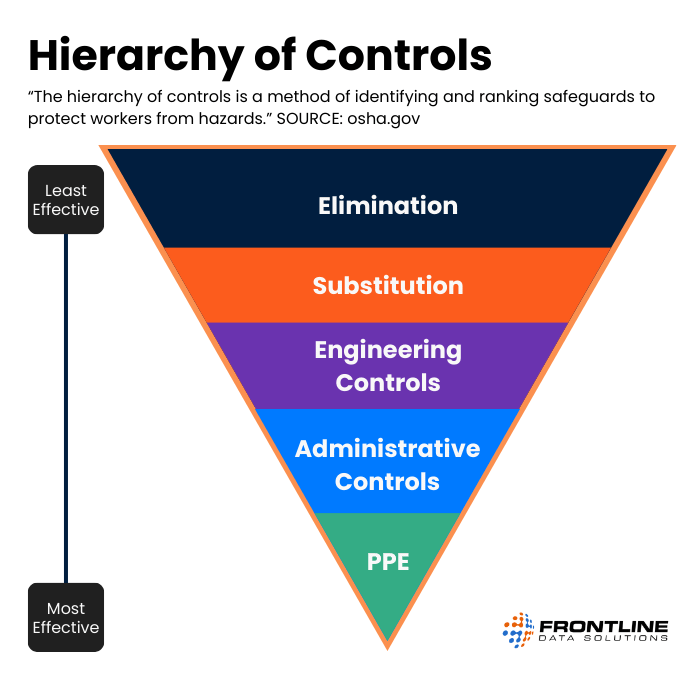
The hierarchy of controls is a foundational concept in safety management that prioritizes hazard control methods based on their effectiveness. It provides a structured way to reduce risk by focusing first on eliminating hazards before relying on worker behavior or personal protective equipment.
What is the Hierarchy of Controls?
The hierarchy of controls is typically broken down into five levels, ranked from most effective to least effective:
- Elimination: Remove the hazard entirely.
- Substitution: Replace the hazard with a safer alternative.
- Engineering Controls: Isolate people from the hazard.
- Administrative Controls: Change how work is performed.
- Personal Protective Equipment (PPE): Protect the worker with gear.
This framework emphasizes a critical principle: the closer a control is to eliminating the hazard, the more reliable it is.
Why is PPE the Last Line of Defense?
Personal protective equipment, including fall protection harnesses, sits at the bottom of the hierarchy because it does not eliminate the hazard. Instead, it relies entirely on the worker to use it correctly every time.
A fall protection harness does not prevent a fall from occurring. It only reduces the severity of the outcome after a fall has already started. That means:
- The hazard still exists
- The worker is still exposed
- The system must function perfectly under stress
This introduces multiple points of potential failure, including improper fit, incorrect use, equipment defects, or human error. A fall protection device is often the only thing standing between a worker and serious injury or death. That level of dependency proves why PPE is considered a last resort rather than a primary solution.
How Do Higher-Level Controls Reduce Fall Risk More Effectively?
Controls higher in the hierarchy reduce risk more reliably because they remove or minimize exposure before a worker is ever at risk of falling.
For example:
- Elimination: Designing work so tasks can be completed at ground level instead of at height
- Engineering Controls: Installing guardrails or permanent platforms to prevent access to edges
- Administrative Controls: Implementing procedures, permits, and training to manage how work is performed
These controls reduce reliance on individual behavior and create safer conditions by design.
Effective fall protection programs don’t rely on PPE alone, but instead, they apply multiple layers of protection based on the hierarchy.
A strong approach includes:
- Eliminating unnecessary work at height whenever possible
- Using guardrails or barriers to prevent exposure
- Establishing clear procedures and training for elevated work
Using harnesses and fall arrest systems as a backup is necessary. But having a layered strategy ensures that if one control fails, others are in place to prevent an incident.
What Does This Mean for Safety Leaders?
Safety leaders should view PPE as a critical but limited tool. While harnesses and fall arrest systems are essential, they should never be the only control in place.
The goal is to design work environments and processes that reduce the need for PPE reliance. When companies prioritize higher-level controls and support them with strong training and inspection practices, they significantly reduce the likelihood of fall-related incidents.
Ultimately, understanding the hierarchy of controls shifts the focus from reacting to hazards to preventing them altogether.
What Does OSHA Require for Fall Protection?
OSHA requires fall protection under several standards, depending on the work environment. Key requirements include:
- Fall protection at six feet in construction environments
- Proper use of guardrails, safety nets, or personal fall arrest systems
- Training for all workers exposed to fall hazards
Employers must also provide appropriate fall protection equipment and give workers training on how to use it. Beside that, OSHA requires training and equipment inspection documentation.
Pro Tip: Use a employee training management software to document and track your team’s training progress.
Frequently Asked Questions About Fall Protection Safety
How Do You Build an Effective Fall Protection Program?
A strong fall protection program goes beyond equipment. It integrates processes, training, and continuous improvement. I should include:
- Hazard identification and risk assessments
- Standardized procedures for equipment use
- Regular training and refresher courses
- Inspection and maintenance protocols
- Incident tracking and analysis
Programs that rely solely on equipment without reinforcing behavior and accountability tend to fail over time.
Why is Rescue Planning Critical in Fall Protection?
Fall protection doesn’t eliminate risk entirely, so workers may still experience suspended falls, which introduces additional hazards.
What is Suspension Trauma?
Suspension trauma occurs when a worker hangs in a harness after a fall. It can restrict blood flow and lead to unconsciousness or death within minutes.
What Should a Rescue Plan Include?
A fall rescue plan should practical and executable. Delayed response significantly increases risk, which is why rescue plans should include:
- Immediate response procedures
- Trained rescue personnel
- Proper rescue equipment
How Does Safety Culture Impact Fall Protection?
Even the best systems depend on worker behavior. Skipping inspections, rushing tasks, and treating safety processes as paperwork are signs of a weak safety culture.
How Do You Strengthen Safety Culture?
To build a stronger safety culture, start by reinforcing accountability at all levels. Everyone from the Plant Manager to the janitor should understand the safety risks within the facility and how to avoid them.
You can also improve culture by providing consistent training and encouraging hazard reporting. When workers understand the risks, they’re more likely to follow procedures consistently.
How Does Frontline LMS Improve Fall Protection Training?
Training consistency is one of the biggest challenges in fall protection programs. Manual tracking methods often lead to gaps in compliance and visibility.
A learning management system like Frontline LMS helps teams deliver and manage training more effectively. It does this by allowing you to:
- Assign role-specific training
- Standardize content across locations
- Track completion in real time
- Build compliance and status reports quickly
- Centralize data from all locations
This ensures that all workers receive the same level of instruction.
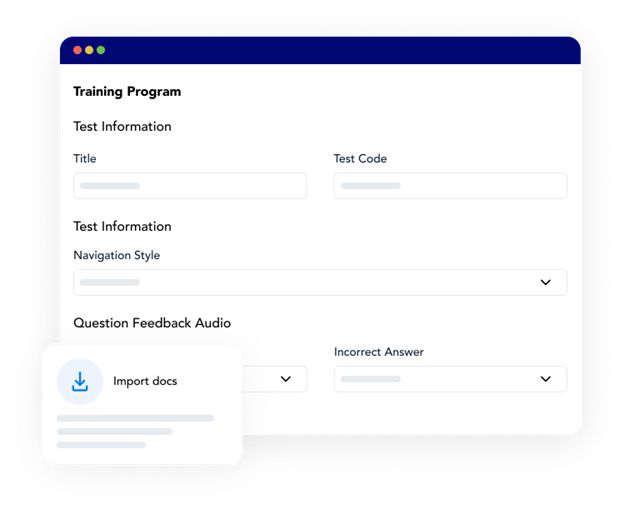
Another benefit of learning management systems is having up-to-date training records, which is critical for compliance management. Frontline LMS makes it easy to maintain centralized documentation, generate reports instantly, and verify certifications. This reduces the risk of missing or incomplete records.
It also provides visibility into training completion rate, knowledge gaps, and overdue certifications. This data helps you identify risks and improve training programs over time.
Overall, if you’re looking to take a more structured and scalable approach to fall protection training, a system like Frontline LMS can help you move beyond manual tracking and inconsistent delivery. It gives safety leaders real-time visibility into training completion and knowledge gaps, making it easier to address risks before they lead to incidents. If you want to see how this works in practice, explore Frontline LMS and book a demo to see how you can simplify training to prevent fall-related incidents.