
Confined Space Training Course
Confined spaces create serious workplace hazards because poor air quality, engulfment risks, and limited exits can quickly turn routine work into a life-threatening situation. This guide explains confined space safety requirements, OSHA regulations, rescue planning, and the importance of training.
Who It’s For: Safety managers, supervisors, maintenance teams, and contractors
Time to Watch: 8–10 minutes
Summary
Confined spaces expose workers to some of the most dangerous hazards in industrial environments. They often contain limited ventilation, restricted entry and exit points, hazardous atmospheres, and equipment capable of causing serious injuries or fatalities. Tanks, silos, boilers, pits, tunnels, manholes, and process vessels may appear safe from the outside. However, conditions inside can change rapidly due to oxygen deficiency, toxic gas accumulation, combustible vapors, engulfment hazards, or energized equipment. Many confined space incidents occur during routine maintenance, cleaning, or inspections when workers underestimate the risks or bypass critical safety procedures. OSHA’s permit-required confined space regulations require employers to identify hazardous confined spaces, evaluate potential risks, implement written entry procedures, and ensure workers receive proper confined space safety training before entry occurs.
Effective confined space safety training helps workers recognize hazards before they enter a confined space while reinforcing the procedures needed to safely perform work in high-risk environments. A strong confined space program includes atmospheric testing, ventilation, lockout/tagout procedures, rescue planning, communication systems, permit documentation, and clearly defined responsibilities for entrants, attendants, supervisors, and rescue personnel. Companies that prioritize training improve hazard awareness, strengthen compliance, reduce operational risk, and prepare workers to respond appropriately when dangerous conditions develop. Modern learning management systems standardize training across facilities, automate refresher training schedules, track certifications, and maintain centralized compliance records to improve both workforce and audit preparedness.
Key Takeaways
- Confined spaces can contain atmospheric, physical, mechanical, electrical, and engulfment hazards that become fatal without proper controls.
- OSHA requires employers to identify permit-required confined spaces and implement written entry procedures before workers enter hazardous spaces.
- Atmospheric testing, ventilation, lockout/tagout procedures, and rescue planning are critical components of confined space safety.
- Workers involved in confined space operations must understand their specific responsibilities as entrants, attendants, supervisors, or rescue personnel.
- Employee training management software improves compliance, documentation, refresher training management, and workforce readiness across multiple sites.
Free EHS Training Guide
Our EHS Training Audit Guide is a great resource for evaluating your current approach to safety training and finding new ways to improve!
What is a Confined Space?
OSHA defines a confined space as an area that:
- Is large enough for a worker to enter and perform work
- Has limited or restricted means of entry or exit
- Is not designed for continuous occupancy
Many workplaces contain confined spaces that employees don’t immediately recognize as hazardous. Some confined spaces appear relatively harmless because workers enter them regularly for inspections, cleaning, or maintenance. The danger comes from the environment itself and how quickly conditions can change.
Common confined spaces include:
- Storage tanks and silos
- Mixers and boilers
- Vaults and pits
- Utility tunnels
- Sewers, manholes, and pipelines
- Reaction vessels
- Crawl spaces
Not every confined space requires a permit. OSHA separates confined spaces into two categories: permit and non-permit.
Permit-Required Confined Spaces
A permit-required confined space contains one or more serious hazards, such as:
- Hazardous atmospheres
- Potential engulfment hazards
- Internal configurations that could trap workers
- Mechanical or electrical hazards
- Any other recognized serious safety or health hazard
Permit-required confined spaces require formal entry procedures, atmospheric testing, permits, rescue planning, and trained personnel.
Non-Permit Confined Spaces
A non-permit confined space doesn’t contain hazards capable of causing serious harm or death. These spaces may still require safety precautions, but they don’t trigger OSHA’s permit-required entry procedures.
Why are Confined Spaces So Dangerous?
In enclosed spaces where workers can have trouble escaping, hazards are concentrated. Workers often underestimate these hazards because confined space incidents frequently involve routine tasks rather than emergency operations.
One of the biggest issues is how quickly conditions can deteriorate. A worker may enter a space that appears safe, only for oxygen levels to drop or toxic gases to accumulate within minutes.
Confined space fatalities also commonly involve multiple victims because coworkers attempt rescue without proper equipment or training. In many cases, would-be rescuers become victims themselves.
Atmospheric Hazards
Atmospheric hazards remain the leading cause of confined space fatalities. Dangerous atmospheres may contain oxygen deficiency or enrichment. Other hazards are toxic gases, flammable vapors, or combustible dust.
OSHA considers oxygen levels below 19.5% to be hazardous. Even slightly reduced oxygen concentrations impair judgment, coordination, and physical performance. Oxygen enrichment creates a separate danger by dramatically increasing fire and explosion risks.
Toxic gases like hydrogen sulfide, carbon monoxide, methane, or ammonia can also accumulate inside confined spaces depending on the surrounding process or environment.
Engulfment Hazards
In confined spaces, workers can also become engulfed by materials stored inside confined spaces, including:
- Grain
- Sand
- Powdered chemicals
- Water
- Sludge
- Liquids
- Process materials
This can occur rapidly and completely bury workers before rescue teams can respond.
Mechanical and Energy Hazards
Confined spaces often contain equipment capable of causing crushing, entanglement, electrocution, or amputation injuries.
Examples include agitators, mixers, conveyors, pumps, rotating shafts, pressurized lines, and electrical systems. These hazards require isolation through lockout/tagout procedures before entry begins.
Heat Stress and Environmental Conditions
Heat and humidity can become trapped in confined spaces. This increases the risk of heat exhaustion or heat stroke. Limited airflow and physically demanding work can rapidly elevate worker body temperatures.
Additional environmental hazards include:
- Poor visibility
- Slippery surfaces
- Elevated noise levels
- Falling objects
- Biological contaminants
What are OSHA’s Confined Space Regulations?
29 CFR 1910.146 is OSHA’s primary confined space regulation for general industries. For construction operations, 29 CFR 1926 Subpart AA also applies. These standards require you to have comprehensive confined space entry programs in place.
The key requirements employers must follow for confined space safety include:
- Identifying confined spaces in the workplace
- Determining whether spaces are permit-required
- Informing employees about confined space hazards
- Preventing unauthorized entry
- Writing entry procedures
- Testing atmospheric conditions
- Providing ventilation when necessary
- Isolating hazardous energy sources
- Establishing rescue procedures
- Training affected employees
- Maintaining entry permits and documentation
Failure to comply with OSHA confined space requirements frequently leads to major citations because of the severe hazards associated with confined space work.
Understanding the Confined Space Entry Permit
Permit-required confined space program documents hazards, required controls, personnel responsibilities, and authorization for entry. The permit process forces teams to pause and evaluate conditions before work begins rather than relying on assumptions.
A confined space permit typically includes:
|
Permit Element |
Purpose |
|
Space identification |
Specifies exact entry location |
|
Purpose of entry |
Explains work being performed |
|
Date and duration |
Defines authorized entry period |
|
Hazard identification |
Documents known and potential hazards |
|
Atmospheric test results |
Confirms safe air conditions |
|
Isolation procedures |
Verifies lockout/tagout completion |
|
Required PPE |
Lists protective equipment |
|
Communication methods |
Explains entrant-attendant communication |
|
Rescue procedures |
Identifies emergency response plan |
|
Authorized personnel |
Lists entrants, attendants, and supervisors |
The permit should be available at the entry point during confined space operations. Get a copy of our free confined space entry log form to keep track of who’s onsite.
Atmospheric Testing and Air Monitoring
Atmospheric testing is one of the most important elements of confined space safety because many dangerous gases are invisible and odorless. Workers can’t rely on smell or physical symptoms to determine whether a confined space atmosphere is safe.
Proper Atmospheric Testing Sequence
Atmospheric testing typically follows this sequence:
- Oxygen concentration
- Flammable gases and vapors
- Toxic contaminants
Testing oxygen first is critical because inaccurate readings can occur if oxygen levels are too low.
Continuous Monitoring
Many confined spaces require continuous atmospheric monitoring because conditions can change rapidly during work activities. Continuous monitoring allows workers to evacuate immediately if dangerous conditions develop.
Examples include:
- Welding operations
- Chemical cleaning
- Product transfers
- Ventilation failures
- Nearby process leaks
Ventilation and Hazard Control
Ventilation helps remove hazardous gases and improve air quality inside confined spaces.
Depending on the hazard, ventilation may involve:
- Natural ventilation
- Mechanical exhaust ventilation
- Forced-air ventilation
- Local exhaust systems
Ventilation alone can’t eliminate all hazards. That’s why companies should combine ventilation with other controls like isolation procedures, atmospheric monitoring, and PPE.
Lockout/Tagout Procedures
Hazardous energy isolation prevents equipment from unexpectedly activating while workers are inside confined spaces. Lockout/tagout procedures may include isolating:
- Electrical systems
- Hydraulic pressure
- Pneumatic systems
- Steam lines
- Chemical feed lines
- Mechanical equipment
Without proper isolation, workers face crushing, electrocution, chemical exposure, or engulfment hazards.
Watch the Confined Space Safety Training Video
Roles and Responsibilities in Confined Space Entry
Confined space entry requires multiple individuals working together to maintain safe conditions. OSHA defines several key roles within a permit-required confined space program:
- Authorized entrants
- Attendants
- Entry supervisors
- Rescue personnel
An authorized entrant performs work inside the confined space. Responsibilities include understanding hazards, using required PPE, monitoring conditions, etc. Entrants must never ignore alarms or warning signs.
The confined space attendant remains outside the confined space and monitors entrants during operations. This person is in charge of things like preventing unauthorized entry, initiating emergency procedures, and ordering evacuation if hazards develop.
An entry supervisor oversees the entire confined space operation. They verify hazard controls, approve permits, confirm atmospheric testing, etc.
Lastly, rescue personnel respond during emergencies involving confined space entrants. They require specialized training because confined space rescue operations are extremely dangerous.
Confined Space Rescue Planning
Rescue planning is one of OSHA’s most heavily emphasized confined space requirements because delayed or poorly planned rescue attempts often lead to fatalities.
A rescue plan must exist before entry begins. Confined space rescue generally falls into three categories:
- Self-rescue: Entrant exits space independently
- Non-entry rescue: Retrieval systems remove entrant without additional entry
- Entry rescue: Rescue personnel enter the space to retrieve victim
OSHA strongly encourages non-entry rescue whenever possible because it minimizes additional exposure.
Retrieval Systems
Many confined space operations require retrieval systems like tripods, winches, or harnesses. These allow attendants or rescue personnel to retrieve entrants without entering the hazardous space themselves.
Rescue Team Training
Practice drills are critical because rescue operations must happen quickly under stressful conditions. Your rescue personnel needs to have hands-on training in:
- Confined space hazards
- PPE usage
- Retrieval systems
- First aid and CPR
- Atmospheric monitoring
- Rescue equipment
- Emergency communication
The Human Factors Behind Confined Space Incidents
Many confined space incidents stem from preventable human errors rather than equipment failures alone.
Common contributing factors include:
- Inadequate hazard assessments
- Failure to test atmospheres
- Missing permits
- Poor communication
- Insufficient supervision
- Rushed maintenance work
- Inadequate training
- Failure to follow procedures
Production pressure often contributes to unsafe decisions. Workers may bypass permits or skip atmospheric testing because confined space tasks appear routine. Strong safety cultures reduce these risks by reinforcing that confined space procedures are non-negotiable.
Common Industries with Confined Space Risks
Confined spaces exist across nearly every industrial sector. For example, manufacturing facilities contain tanks, mixers, pits, silos, and process vessels requiring maintenance and cleaning. Meanwhile, oil and gas operations involve storage tanks, separators, pipelines, process vessels, and underground systems where hazardous atmospheres frequently exist.
This is the same for food and beverage manufacturing, utilities, wastewater, and construction. Whether it’s a sewer, refrigeration system, or a crawl space, workers must be ready to maneuver confined spaces safely while working efficiently.
Best Practices for Confined Space Safety Programs
A strong confined space program typically focuses on consistency, accountability, and ongoing training. One of the best places to start is standardizing entry procedures for confined spaces. Examples include creating a consistent permit format, creating clear rescue procedures, and implementing uniform training requirements. This reduces confusion and improves compliance across sites and departments.
Another important best practice is conducting thorough hazard assessments. Your team should do this every single time before work begins. They should evaluate:
- Atmospheric conditions
- Mechanical hazards
- Engulfment risks
- Energy sources
- Environmental conditions
- Rescue limitations
Aside from your confined space procedures, focus on improving communication. Clear communication between entrants, attendants, and supervisors is essential to stay proactive against hazards. You can use hand signals, radios, and other methods depending on what kind of visibility or connectivity you have onsite.
Why Confined Space Safety Training Matters
Confined space safety training helps workers recognize invisible hazards before incidents occur. Without proper training, workers might misinterpret atmospheric readings or enter spaces without authorization. They might ignore changing conditions, misuse PPE, or fail to communicate hazards. Overall, training improves hazard recognition and decision-making under pressure.
Topics Covered in Confined Space Safety Training
Effective confined space safety training should cover the following topics:
- OSHA regulations
- Confined space identification
- Permit procedures
- Atmospheric hazards
- Gas detection equipment
- Ventilation requirements
- Lockout/tagout procedures
- Rescue planning
- Communication procedures
- PPE usage
- Emergency response
Training should also include hands-on exercises whenever possible. Workers forget procedures over time, especially if confined space entries occur infrequently. Conduct refresher training to reinforce important concepts like hazard recognition. That way, your team is always ready to identify and control hazards.
Free Download
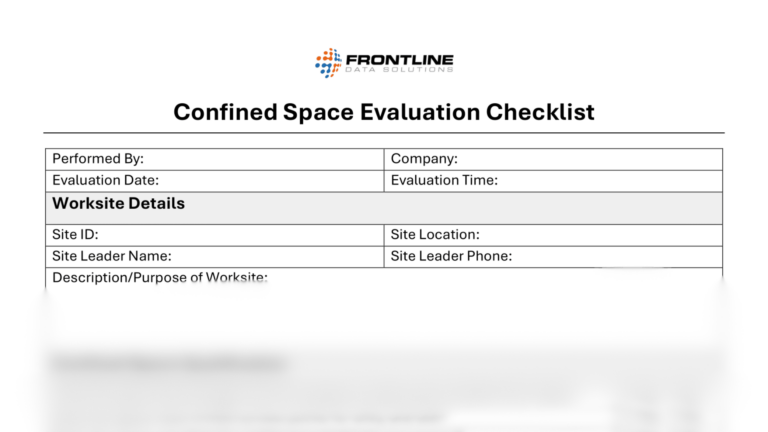
Download our free confined space evaulation checklist to get started!
Frequently Asked Questions About Confined Space Safety
How Frontline LMS Simplifies Safety Training
Training consistency becomes increasingly difficult as companies grow across multiple facilities, departments, contractors, and operational teams. Paper-based training systems and spreadsheets often create gaps in documentation, refresher scheduling, and compliance visibility. This is especially problematic for high-risk activities like confined space entry where missing or outdated training can lead to catastrophic consequences.
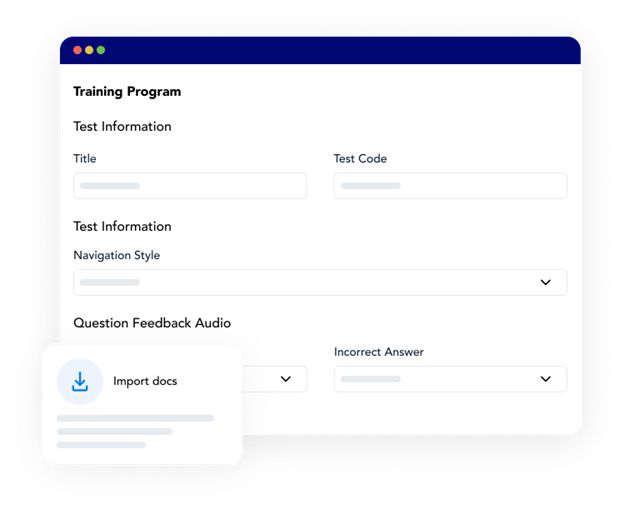
A learning management system like Frontline LMS standardizes and scales confined space safety training while improving workforce readiness and compliance tracking. It supports centralized training management, automated workflows, and role-specific learning assignments designed for industrial environments.
Companies using EHS software for training can:
- Assign confined space safety training automatically based on job role
- Track certifications and refresher deadlines in real time
- Store centralized training records for audits and OSHA inspections
- Deliver consistent training across multiple facilities
- Improve contractor onboarding and qualification verification
- Automate reminders for overdue or expiring certifications
- Monitor workforce training compliance through dashboards and reporting
For companies managing multiple high-risk operations, these benefits improve both compliance and operational efficiency. Workers receive standardized training, supervisors gain better visibility into qualification status, and safety teams spend less time managing spreadsheets or chasing documentation manually.
Modern learning management systems also improve training effectiveness through video-based learning, mobile accessibility, quizzes, and recurring refresher assignments. These tools reinforce knowledge retention and help workers stay prepared for infrequent but high-risk confined space tasks.
A system like Frontline LMS does more than store training records. It becomes part of a larger safety strategy that strengthens accountability, improves communication, and reduces the likelihood of serious incidents in confined space operations.
Book a demo of Frontline LMS to learn how it could benefit your safety training program.