
Electrical Safety Training Course
Electrical hazards are present in nearly every workplace and pose significant safety risks. This guide gives both frontline workers and safety leaders the knowledge needed to prevent electrical safety incidents and maintain compliance.
Who It’s For: Safety managers, supervisors, maintenance teams, and contractors
Time to Watch: 8–10 minutes
Summary
Electrical hazards are some of the most common and dangerous risks in industrial and commercial workplaces. Exposed wiring, overloaded circuits, and other electrical risks can cause severe injuries, fatalities, equipment damage, and costly downtime. These hazards often develop silently, making them especially dangerous for workers who may not recognize the warning signs until it’s too late.
Electrical safety training provides critical knowledge that workers need to identify hazards, follow safe work practices, and respond effectively in high-risk situations. It also gives safety managers a consistent framework for enforcing compliance with regulations from OSHA, particularly under 29 CFR 1910 Subpart S and 1910.269. When you combine proper training with standardized procedures and software, you create a safer, more predictable work environment with less risk.
Key Takeaways
- Electrical safety training helps workers recognize hazards before they cause injuries or equipment failures.
- OSHA regulations require clear procedures, qualified personnel, and proper use of protective equipment.
- Most electrical incidents are from preventable issues like improper maintenance, lack of training, or unsafe work practices.
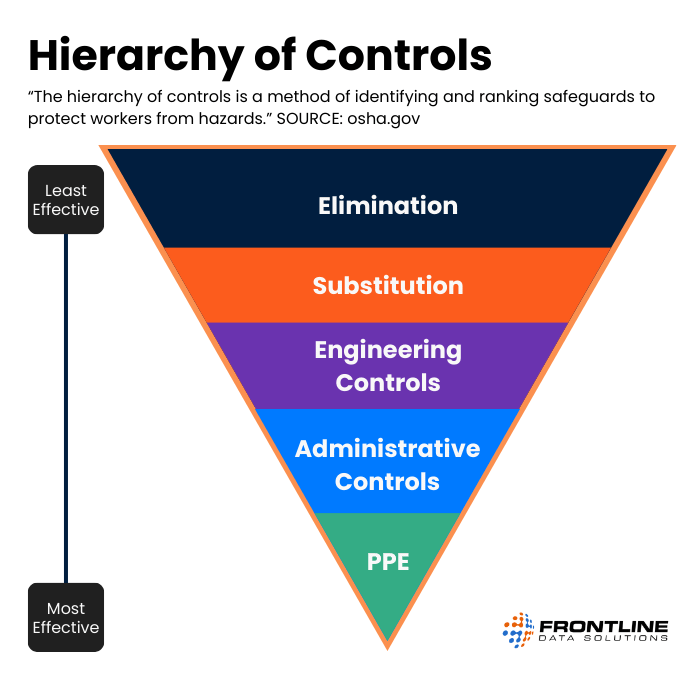
- A layered safety approach that includes engineering controls, administrative processes, and PPE provides the strongest protection.
- Compliance training software ensures consistent delivery, tracking, and continuous improvement of electrical safety programs.
FREE Safety Training Audit Template
Download our EHS Training Audit Template, which provides step-by-step guidance for auditing your training program. With it you, can find new opportunities to improve processes and achieve better training outcomes for compliance.

Why Does Electrical Safety Training Matter?
Electrical hazards aren’t always obvious. Frayed cables, missing grounds, or overloaded circuits are the conditions that can create serious safety risks. When workers interact with energized equipment without fully understanding these risks, the potential for injury increases significantly.
Electrical incidents often cause:
- Severe burns from arc flash or arc blast events
- Electric shock leading to cardiac arrest or nerve damage
- Fires caused by faulty wiring or overloaded systems
- Equipment damage and unexpected downtime
Unlike many other workplace hazards, electrical risks can escalate instantly. For example, a single mistake like failing to de-energize equipment can result in life-altering consequences. This is why electrical safety training is a critical component of operational risk management and not just a compliance requirement.
For safety leaders, training also plays a key role in standardizing procedures across teams and locations. Without consistent training, workers may rely on assumptions or outdated practices, increasing variability and risk in day-to-day operations.
What are OSHA’s Electrical Safety Requirements?
OSHA heavily regulates electrical safety in the workplace to protect workers from known hazards. It establishes clear expectations for how companies must manage electrical risks, particularly in general industry and high-risk environments.
Key OSHA Standards for Electrical Safety
Several OSHA standards directly apply to electrical safety training and procedures:
- 29 CFR 1910 Subpart S for general industry requirements
- 29 CFR 1910.269 for electric power generation, transmission, and distribution
- 29 CFR 1910.147 for the control of hazardous energy (lockout/tagout)
These regulations define how to:
- Identify electrical hazards
- Train employees based on their exposure risk
- Implement safe work practices
- Maintain equipment and protective systems
Qualified vs. Unqualified Workers
One of the most important distinctions OSHA makes is between qualified and unqualified workers. Qualified workers have the training and knowledge to work on or near energized electrical systems. On the other hand, unqualified workers may only interact with electrical systems in limited, low-risk ways
Electrical safety training must reflect this distinction. Qualified workers require more advanced instruction, including hazard analysis, safe approach distances, and emergency response procedures. Unqualified workers still need training, but it focuses more on hazard awareness and avoidance.
Lockout/Tagout Requirements
Lockout/tagout (LOTO) procedures are one of the most critical components of electrical safety. These procedures involve workers properly de-energizing equipment before maintenance or servicing begins.
Training for lockout/tagout should cover:
- How to isolate energy sources
- How to apply lockout/tagout devices
- Verification of zero energy state
- Responsibilities of authorized and affected employees
Failure to follow LOTO procedures is one of the leading causes of electrical incidents, making this a core focus area for any electrical safety program.
Top Causes of Electrical Safety Incidents
Electrical incidents rarely occur without warning. In most cases, they result from a combination of unsafe conditions, human error, and gaps in training or procedures. Understanding the most common causes allows safety leaders to target the underlying issues that lead to injuries and operational disruptions.
Failure to De-Energize Equipment
One of the leading causes of electrical accidents is working on energized equipment when it could have been safely de-energized. This often happens due to time pressure, lack of planning, or overconfidence in a worker’s ability to “work hot.”
When equipment remains energized:
- The risk of electric shock increases significantly
- Arc flash incidents become more likely
- Small mistakes can escalate into severe injuries instantly
This issue directly ties back to failures in lockout/tagout procedures. Without strict enforcement and proper training, workers may bypass critical steps that should eliminate energy hazards entirely.
Inadequate Training and Hazard Awareness
Electrical safety training gaps are a major contributor to workplace incidents. Workers who don’t fully understand electrical systems, hazard recognition, or safe work practices are more likely to make unsafe decisions.
Common training-related issues include:
- Misunderstanding approach boundaries
- Improper use of PPE
- Failure to recognize warning signs like heat, noise, or damaged insulation
This is especially dangerous for unqualified workers who may not realize the level of risk associated with certain tasks. Even experienced employees can develop unsafe habits over time without consistent refresher training.
Poor Equipment Maintenance
Electrical systems degrade over time. Worn insulation, loose connections, and outdated components create conditions where failures are more likely to occur.
Poor maintenance can lead to:
- Unexpected equipment energization
- Increased likelihood of arc flash events
- Electrical fires caused by overheating components
Many incidents occur not during active work, but when equipment fails under normal operating conditions. This makes routine inspections and preventive maintenance essential components of any electrical safety program.
Improper Grounding and Bonding
Grounding provides a safe path for electrical current in the event of a fault. When grounding systems are missing or improperly installed, electrical energy can travel through unintended paths, including the human body.
This increases the risk of:
- Severe electric shock
- Equipment damage
- Fire hazards
Improper grounding often goes unnoticed until a failure occurs, which is why testing and verification are critical.
Use of Damaged or Incorrect Tools
Using damaged tools or ones that aren’t rated for electrical work introduces unnecessary risk. Even a small defect in insulation can expose workers to energized components.
Examples include:
- Cracked insulation on hand tools
- Extension cords not rated for the load
- Improvised or modified equipment
Oftentimes, you can prevent these issues through regular inspections and clear equipment standards.
Unsafe Work Practices and Human Error
Even in well-designed systems, personal safety plays a significant role in preventing electrical incidents. Rushing, skipping steps, or taking shortcuts can undermine even the most robust safety programs.
Common unsafe practices include:
- Bypassing safety devices
- Ignoring established procedures
- Working without proper authorization
Over time, these behaviors can become normalized if you don’t actively address them with training and supervision.
Common Injuries Associated with Electrical Incidents
Electrical incidents often result in more severe injuries than many other workplace hazards because of how quickly energy is transferred through the body.
The most common injuries include:
- Electrical Burns: These occur when current passes through the body, causing internal and external tissue damage. Arc flash events can also cause severe thermal burns due to extreme heat.
- Electric Shock: Depending on the voltage and duration of exposure, shock can cause muscle contractions, respiratory failure, or cardiac arrest.
- Arc Flash and Arc Blast Injuries: Arc flash produces intense heat and light, while arc blast creates a pressure wave. Together, they can cause burns, hearing damage, and blunt force injuries.
- Secondary Injuries: Workers may fall from heights or collide with equipment due to a shock or sudden movement.
These injuries often require extensive medical treatment and can result in long-term health impacts, including nerve damage and reduced mobility.
What Does the Data Shows About Electrical Incident?
Workplace data reinforces how serious electrical hazards can be when companies don’t manage them properly. According to the Bureau of Labor Statistics (BLS), exposure to electricity accounted for 166 fatal occupational injuries in the United States in 2022. Many of these incidents involved contact with overhead power lines, energized equipment, or wiring systems.
This data shows that electrical incidents aren’t rare, and they’re not often fatal when they occur. Most of these events stem from preventable causes such as inadequate training, failure to follow procedures, or poor hazard recognition.
When workers understand the causes of electrical incidents and how they lead to injury, they can better recognize risk and act before an incident happens.
Common Electrical Hazards and How to Control Them
Understanding the types of electrical hazards workers face is essential for preventing incidents. Each hazard requires specific controls, and no single solution is sufficient on its own.
Electrical Hazards vs Controls
|
Electrical Hazard |
Description |
Primary Controls |
|
Electric Shock |
Occurs when current passes through the body |
Insulation, grounding, PPE, safe work practices |
|
Arc Flash |
Release of energy from an electrical fault |
Arc-rated PPE, hazard analysis, proper labeling |
|
Arc Blast |
Pressure wave from an arc event |
Equipment maintenance, distance, protective barriers |
|
Overloaded Circuits |
Excess current causing overheating |
Circuit protection devices, load management |
|
Exposed Wiring |
Direct contact with energized conductors |
Insulation, guarding, routine inspections |
|
Improper Grounding |
Lack of safe path for electrical current |
Grounding systems, testing, maintenance |
Each of these hazards can exist independently or combine to create more severe risks. For example, an overloaded circuit with improper grounding significantly increases the likelihood of fire or equipment failure.
Why is Hazard Recognition So Important?
Many electrical incidents occur not because hazards are unknown, but because they go unrecognized in the moment. Workers may overlook small warning signs like unusual heat, noise, or visible wear. Over time, these minor issues can escalate into major failures.
Electrical safety training reinforces hazard recognition by:
- Teaching workers what to look for during inspections
- Reinforcing the importance of reporting unsafe conditions
- Providing real-world scenarios that build decision-making skills
When workers consistently identify and address hazards early, companies can prevent incidents in real-time.
Watch the Electrical Safety Training Course
Safe Work Practices for Electrical Safety
Safe work practices form the foundation of any effective electrical safety program. These practices translate regulatory requirements and hazard awareness into actionable steps that workers can follow in the field.
De-Energizing Equipment
Whenever possible, equipment should be de-energized before work begins. This eliminates the risk of electric shock and significantly reduces the potential for arc flash incidents.
This process includes:
- Identifying all energy sources
- Shutting down equipment
- Applying lockout/tagout devices
- Verifying zero energy
Maintaining Safe Approach Distances
When working near energized equipment, maintaining proper distance is critical. OSHA and industry standards define approach boundaries that limit how close workers can safely get without appropriate protection.
Training ensures that workers understand:
- Limited approach boundaries
- Restricted approach boundaries
- Arc flash boundaries
These boundaries are especially important in high-voltage environments where the risk of arc flash is significant.
Using Proper Tools and Equipment
Electrical work requires tools that are specific to the job. Using the wrong tools can introduce additional hazards.
Examples include insulated hand tools, voltage testers, and properly rated extension cords. Regular inspection and maintenance of these tools are just as important as using them correctly.
Personal Protective Equipment (PPE) for Electrical Safety
PPE serves as the last line of defense when other controls cannot fully eliminate risk. Electrical safety training must clearly define when and how to use PPE. Common types of electrical PPE are:
- Arc-rated clothing to protect against thermal energy
- Insulated gloves to prevent electric shock
- Face shields and helmets for arc flash protection
- Safety glasses for eye protection
While PPE is essential, but it’s the last resort on the hierarchy of controls. Relying solely on PPE without addressing underlying hazards increases risk. Training must emphasize that PPE works best when combined with engineering and administrative controls.
Electrical Safety Training Program Components
A strong electrical safety training program goes beyond basic awareness. It creates a structured approach to developing knowledge, reinforcing safe behaviors, and maintaining compliance.
Electrical safety training should cover:
- Hazard identification and risk assessment
- OSHA regulatory requirements
- Lockout/tagout procedures
- Safe work practices and approach distances
- Proper use of PPE
- Emergency response procedures
Different roles require different levels of training. For example:
- Maintenance personnel need hands-on technical training
- Supervisors need oversight and compliance knowledge
- Contractors require site-specific training
This role-based approach ensures that every worker receives relevant and practical instruction. Ongoing training helps reinforce key concepts, address gaps identified through incidents or audits, and keep workers aligned with updated regulations.
Incident Prevention and Electrical Safety Culture
For long-term success, you need to pair training with a strong safety culture that prioritizes hazard recognition, accountability, and continuous improvement. Companies that reduce electrical risk effectively focus on:
- Encouraging reporting of hazards and near misses
- Holding teams accountable for following procedures
- Using data to identify trends and improve processes
Every incident or near miss provides valuable insight into system weaknesses. Safety leaders should use this information to improve training content, update procedures, and reinforce critical behaviors.
When teams treat incidents as learning opportunities, they reduce the likelihood of repeat events. But even with strong prevention strategies, incidents can still occur. Electrical safety training must prepare workers to respond quickly and effectively. Key emergency response actions include:
- Immediately disconnect power if safe to do so
- Avoid direct contact with the victim if they are still energized
- Call emergency services
- Administer first aid or CPR if trained
Quick response can significantly reduce the severity of injuries. Training ensures that workers remain calm, act quickly, and follow proper procedures during high-stress situations.
Frequently Asked Questions About Electrical Safety Training
How Frontline LMS Improves Electrical Safety Training
Managing electrical safety training manually creates gaps that can lead to compliance issues and increased risk. Missed certifications, inconsistent training delivery, and incomplete records make it difficult for safety leaders to maintain control over their programs.
A system like Frontline LMS provides the structure needed to deliver, track, and improve electrical safety training across the organization. It aligns directly with the need for consistent, role-based training and real-time visibility into workforce readiness.
With a learning management system in place, you can:
- Assign training based on job roles and risk exposure
- Standardize course content across all locations
- Track completion and certification status in real time
- Automate reminders for retraining and recertification
- Maintain centralized, audit-ready training records
This eliminates many of the inefficiencies associated with manual tracking. It also ensures that workers receive the right training at the right time, reducing the likelihood of knowledge gaps that lead to incidents.
Beyond compliance, an LMS improves training effectiveness. Interactive content, video-based learning, and periodic refreshers help reinforce critical concepts like hazard recognition, lockout/tagout procedures, and safe work practices. Over time, this leads to better decision-making in the field and a stronger overall safety culture.
When combined with other EHS tools, a learning management system becomes part of a larger strategy to reduce risk, improve operational efficiency, and create safer workplaces.
Are you looking for ways to improve safety training at scale? Book a demo with our sales team to see whether Frontline LMS is a good fit for your training goals.