
Written By:
Tiffany Gurary
Tiffany is an EHS professional with 15 years of experience supporting chemical manufacturing, research and development, pilot operations, and multi-site industrial environments.
Summary
Most temporary changes come from a practical need at the moment. Sometimes, it’s a team that needs to keep production moving while waiting for equipment repairs. Other times, it’s a maintenance crew that wants to install a temporary hose during a shutdown. This isn’t always a safety risk, but when temporary changes alter how people interact with equipment, hazards, procedures, or one another, they can weaken the safety controls workers depend on.
The greatest risk is that temporary solutions become permanent without ever going through the correct review and approval process. As days turn into weeks, your team might forget why you made a change, which safeguards it impacted, or even the original planned expiration date. A structured management of change (MOC) process helps you recognize temporary operational changes early, evaluate their impact, set clear expiration dates, communicate expectations, and prevent short-term decisions from creating long-term safety gaps.
Key Takeaways
- Temporary work conditions can introduce new hazards even when a change seems small, practical, or short-lived.
- Informal equipment setups, bypasses, altered layouts, and procedural changes can affect safeguards, worker behavior, emergency response, and maintenance activities.
- Temporary conditions become more dangerous when workers start overlooking them and underestimating their risk level.
- A temporary change should have a documented reason, risk review, owner, authorization, end date, communication plan, and closeout requirement.
- Management of change helps safety and operations teams control temporary changes to reduce uncontrolled risk.
Free MOC Compliance Guide to Help You Get Started
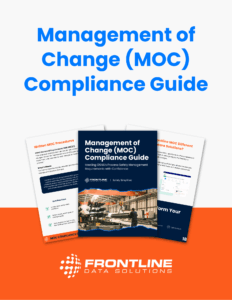
Download our MOC Compliance Guide, which breaks down OSHA’s management of change requirements in greater detail. This guide will help you understand what’s required to meet compliance and give you practical tips for improving your MOC program.
Why Temporary Changes Often Escape Normal Safety Oversight
In most companies, no one would argue that large-scale projects like facility expansions require careful planning and review. But temporary changes don’t get the same level of interest or attention. That’s because teams tend to view the impact of a project in terms of its immediate or tangible impact on the business.
Temporary changes, on the other hand, typically happen as an urgent reaction to something happening in real time. For example, if a ventilation issue delays a job, then the crew might make some changes to the work area. Because the team expects this to be a temporary condition, they assume the risk is temporary too. While the duration of a change matters for follow-up and closeout, it doesn’t mean that there’s no evaluation needed in the short-term. One poorly implemented change can injure a worker in seconds without the right amount of review.
Here are some reasons why short-term conditions might not go through a review:
- They happen quickly in response to production pressure, equipment availability, maintenance delays, or changing work demands.
- Teams view them as a repair, adjustment, or workaround rather than a meaningful operational change.
- No one clearly owns the temporary condition after installation or implementation.
- Workers receive verbal instructions, but the company doesn’t update written procedures, work permits, drawings, job plans, or shift handoff information.
- The team expects the original condition to return soon, so they postpone follow-up while other priorities take over.
These gaps make temporary conditions difficult to manage. One worker may know that a line is being routed differently, while another assumes the normal configuration still applies. A maintenance technician may understand why a guard, interlock, or access restriction changed, while an operator on another shift has no context. Contractors may arrive after a temporary equipment setup was installed and begin work based on old information.
The people performing, supporting, or responding to the work may no longer share the same understanding of how the operation functions or which controls are available.
What Counts as a Temporary Work Condition?
A temporary work condition is any limited-duration alteration that changes how workers complete tasks or how teams manage risk. They include things like changes to equipment, procedures, work environments, staffing arrangements, safeguards, material movement, or operating methods. These conditions may last a few hours, shifts, months, or longer than originally intended.
Some temporary operational changes like large pieces of rental equipment are highly visible. Others like safety devices taken out of normal service are less obvious. Examples of temporary conditions include:
- Temporary hoses, piping, pumps, electrical connections, etc.
- Equipment operating outside its normal configuration while a repair, replacement part, upgrade, or inspection is pending
- Bypasses, disabled alarms, altered interlocks, removed guards, etc.
- Procedural changes during startups, shutdowns, maintenance work, line clearing, troubleshooting, cleaning, material transfer, or abnormal operations
- Temporary traffic patterns, pedestrian routes, contractor work zones, etc.
- Interim staffing, supervision, shift coverage, contractor assignments, etc.
- Temporary administrative controls used while more reliable engineering or equipment-based controls remain incomplete
When it comes to these types of changes, the most useful question is whether there’s a chance that it’ll increase risk. If the answer is yes, then the change should go through a formal MOC process.
Free Download
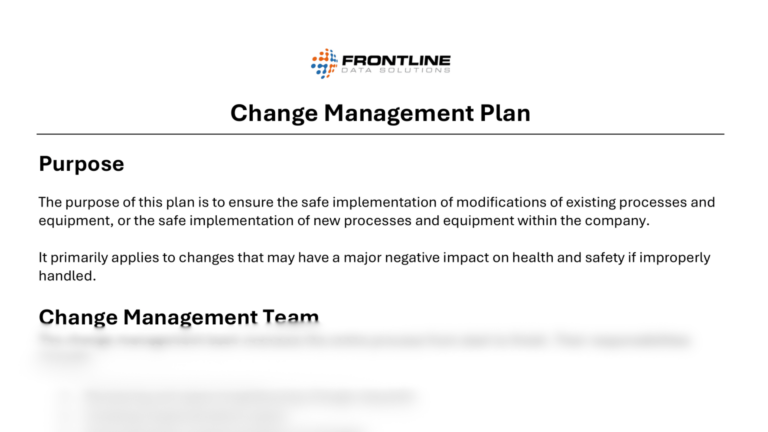
Download this free template to get started on a written MOC plan for your site.
How Do Temporary Equipment Setups Impact Risk?
Temporary equipment solves immediate problems by increasing capacity, keeping operations moving, and more. The safety issue comes from installing or operating temporary equipment without evaluating how it impacts everything else in the system.
Permanent equipment has known design assumptions, and teams understand the rated capacity, flow path, guarding, energy isolation points, access requirements, operating limits, inspection history, and emergency response considerations. Also, written procedures and training for this equipment generally match the setup.
Temporary equipment can disrupt those assumptions, however, so before a temporary equipment setup begins service, you should consider whether it:
- Is compatible with the material, pressure, temperature, environment, workload, and expected duration of use
- Changes isolation points, lockout/tagout steps, line-breaking activities, permits, inspection requirements, or emergency shutdown actions
- Introduces struck-by hazards, pinch points, line-of-fire exposures, access limitations, poor visibility, trip hazards, blocked exits, or congestion
- Impacts the effectiveness of protections like safety devices, alarms, guards, etc.
- Whether operators, maintenance teams, contractors, emergency responders, and future shifts can identify the temporary setup and understand its safe operating expectations.
- Whether the team has defined when and how the temporary equipment will be removed, replaced, inspected, extended, or converted into a permanent configuration.
Temporary setups can also cause problems if you don’t communicate them to the right people or teams. The longer something is in place without widespread knowledge, the higher the chance of a safety incident. While changes aren’t inherently safe, unmanaged ones can slowly increase risk over time.
Procedural Changes Can Be Just as Significant as Physical Changes
Some of the most consequential changes are the ones when something looks the same but workers have to use follow new procedures. Typically, procedural changes are necessary for special projects or delays to part or equipment replacements.
Informal modifications make workers dependent on memory, personal experience, or verbal instructions. This causes issues across shifts or when handing things off to new contractors or supervisors. Plus, the people who initially implemented a change might not stay to see it through. While it requires more work, formally updating procedures for temporary changes is a best practice to prevent incidents or operational delays.
Why Do Temporary Conditions Create Long-Term Risk?
A temporary change becomes a long-term safety risk when it either goes beyond the original plan, loses visibility, or becomes part of everyday work without adequate control. This often happens gradually rather than through a deliberate decision.
Some examples of this are:
- Short-term repairs while waiting for a new part
- Portable units installed without an eventual upgrade
- Route deviations that no one resets after a project ends
- Informal workarounds that stay in place after the person who created them leaves
- Bypasses that remain active while the affected equipment undergoes review
Over time, operations accumulate all sorts of hidden risks. Whether it’s workers adjusting their habits or supervisors building schedules around altered processes, when a failure occurs, first responders encounter conditions that don’t match the information they receive.
Temporary work conditions are harder to control when:
- There’s no required expiration or review date for overdue changes.
- No one is accountable for tracking the condition through closure.
- Shifts don’t communicate about temporary changes they put in place.
- The interim solution reduces urgency, so the original problem goes unresolved.
- Each departments assumes someone else is managing a change.
- No one knows how many temporary conditions are active or overdue.
This is why you need approval at the beginning. A strong management of change process follows the change from start to finish. That includes ongoing visibility, required inspections, deadline monitoring, extension reviews, revised controls when conditions change, and formal closure after the temporary state ends. If you can’t find or review a change, then you can’t control it.
How to Proactively Manage Temporary Changes
Managing temporary changes effectively requires a process that is simple enough for teams to use and structured enough to protect workers. When the process is too complicated, workers and supervisors may avoid it. If it’s too informal, high-risk temporary work conditions won’t get the attention they need.
Start your process with these three questions:
- Does this temporary condition change how people do their work?
- Does it affect how we control hazards?
- Does it change what workers need to know to perform the job safely?
When the answer is yes, you should determine the appropriate level of review before proceeding. Here are the main steps to proactively manage temporary changes.
Identify and Describe the Change
Start by creating a detailed description of the change itself. How will it be different from normal operations and why is it needed? The description should be specific enough for any worker, supervisor, or reviewer to understand the physical or procedural difference.
The change record should clarify:
- What equipment, area, process, procedure, task, safeguard, or work group it affects
- Operational need that prompted the temporary condition
- Expected start date and proposed end date
- Whether the change involves equipment setups, procedural changes, altered controls, contractor work, maintenance activity, or abnormal operation
Evaluate Safety and Operational Impact
Before approving a change, the people reviewing it should identify how it could affect workers and operations. This doesn’t need to be the same review process for everything. A low-risk temporary barrier change requires less analysis than a bypass, temporary transfer system, revised startup sequence, or interim repair on hazardous equipment.
Your review should consider:
- New hazards introduced by the change.
- Existing safeguards that the change may remove, weaken, bypass, relocate, or make less reliable
- Potential exposures during installation, operation, inspection, maintenance, troubleshooting, and removal
- Impacts on permits, lockout/tagout, confined space work, line breaking, hot work, fall protection, traffic control, contractor coordination, or emergency action
- Training, communication, documentation, inspections, and approvals required before the changes goes into effect
Free Download
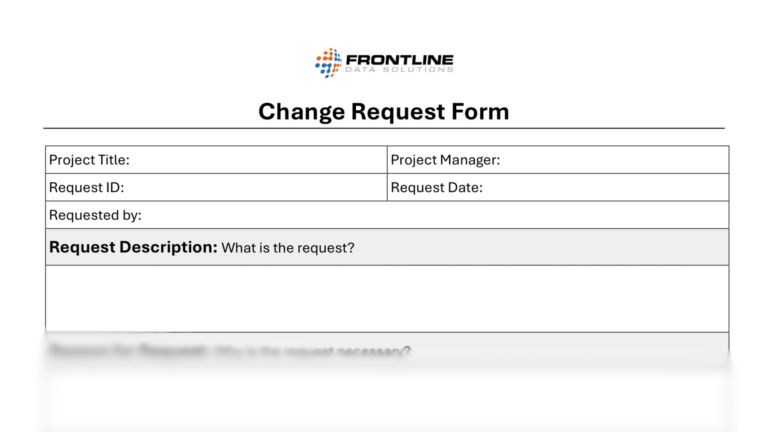
This MOC request template shows you the type of information workers should submit when requesting a change.
Set Time Limits and Ownership
Every temporary change should have an owner and a time limit. Without accountability and a deadline, interim conditions become accepted long-term.
The owner of a change should be responsible for:
- Confirming the change remains necessary
- Ensuring interim controls and inspections happen
- Tracking corrective work or permanent replacement plans
- Requesting an extension only after reassessing its safety and effectiveness
- Closing the change when it ends
By the end date, you should either restore the original condition, complete a permanent solution, or formally review and approve an extension.
Communicate and Train Workers Beforehand
When a change affects workers, they need more than a basic notice that something’s different. They need to know what changed, why it changed, how long it will last, what hazards or precautions apply, what abnormal conditions require action, and where to report any issues.
Communication may include:
- Shift handoff notes and pre-job briefings
- Updated procedures, job plans, permits, drawings, inspection routes, etc.
- Contractor orientations or task-specific briefings
- Tags, signage, visual identifiers, temporary equipment labels, etc.
- Verification that affected workers understand the new steps or limitations first
Inspect, Review, and Close the Change
Temporary changes should remain visible until they’re inactive. Use a review to verify that temporary equipment is fit for service, controls are effective, procedures reflect the work, affected people are informed, and the change hasn’t created new issues.
Closure should verify:
- Temporary conditions are removed or appropriately incorporated into permanent operations
- Affected documentation like procedures and drawings reflect the final condition
- Worker complete follow-up actions
- Teams document the lessons they learned when a temporary condition exposed an operational issue
The point of closeout is to confirm that workers re no longer rely on an interim condition that has lost the controls originally assigned to it.
What Should Safety and Operations Leaders Track?
Temporary change management is easier when you can see patterns instead of focusing on each change on its own. If you have, for example, multiple temporary conditions active across your site, then you might have issues with reliability, maintenance, staffing, planning, or risk-control challenges.
Some indicators of underlying issues are:
- Total active temporary changes by facility, department, process area, or risk level
- Temporary conditions approaching or past their approved expiration date
- Extensions requested and the reasons for repeated extensions
- Temporary equipment repairs awaiting permanent resolution
- Temporary changes that affect safeguards, alarms, interlocks, isolation points, operating limits, or emergency arrangements
- Overdue reviews, incomplete training, outstanding corrective actions, or missing closure documentation
- Incidents, near misses, audit findings, or inspection observations connected to temporary conditions
These metrics indicate whether temporary changes have become a substitute for completing permanent improvements. They can also show you where you may need better resources, faster maintenance support, stronger planning, clearer ownership, or more consistent MOC expectations.
Tracking these things matters because the absence of reported incidents doesn’t prove temporary conditions are safe. You can operate for long periods with undocumented or overdue temporary changes before something goes wrong. But a mature safety program doesn’t wait for an incident to happen before it addresses risk.