

Written By:
Tiffany Gurary
Tiffany is an EHS professional with 15 years of experience supporting chemical manufacturing, research and development, pilot operations, and multi-site industrial environments.
Summary
The impact of change in the workplace goes beyond a new procedure, staffing adjustment, equipment upgrade, or workflow update. Every change affects how workers understand expectations, how they prepare to do their jobs, how much stress they experience, and how consistently they follow safety practices. When companies only evaluate the technical side of change, they miss the human factors that influence worker health, engagement, and safety performance.
Management of change requires leaders to consider both operational risk and workforce readiness. Employees need clear communication, realistic training, supervisor support, and a way to share their concerns before changes take effect. When teams manage workplace changes effectively, they reduce confusion, increase trust, and improve safety outcomes.
Key Takeaways
- The impact of change can show up in worker health, stress levels, engagement, training readiness, and safety performance.
- Workplace changes often create hidden risks if leaders don’t assess how a change will impact daily work for frontline employees.
- Change fatigue can reduce participation, hazard reporting, and trust in safety initiatives.
- Workforce readiness requires clear communication, task-specific training, supervisor alignment, and verified follow-through.
- EHS software standardizes change reviews, assigns actions, documents training, and confirms that safeguards are complete before changes go live.
Understanding the Impact of Change on Workers
Change often starts as small decisions to increase production, reduce downtime, or better control risks. Whether it’s new materials in a process, the reorganization of a department, or contractors hired for a specific project, changes are almost always more complicated than they initially seem.
A change that looks simple in a meeting may alter how employees move through a work area, communicate with supervisors, access equipment, perform inspections, handle materials, or follow procedures. This is why you need to evaluate the impact of changes from your team’s perspective, not just your project completion plans.
Workers may respond differently depending on how much information, support, and preparation they receive. If you communicate the change clearly and explain the reason behind it, workers are more likely to participate and adapt. If the change feels sudden or confusing, employees may become frustrated or disengaged.
Workplace changes can affect:
- How workers understand their daily responsibilities
- Whether employees feel prepared to perform changed tasks
- How supervisors communicate new expectations
- Whether frontline teams trust leadership decisions
- How consistently workers follow procedures
- Whether employees feel comfortable reporting concerns
- How much stress teams experience during implementation
- Whether training and documentation still match actual work
Companies that evaluate these effects early can prevent many of the problems that appear later. The goal is to make change safer, clearer, and easier for workers to adopt.
Why Does Changes Create Safety Risks?
Workplace changes create safety risk because they disrupt familiar routines. Workers rely on established procedures, known hazards, consistent communication, and repeated behaviors to perform tasks safely. When you change those conditions, old assumptions may no longer apply.
Take the example of installing a new piece of equipment. This may require different guarding, maintenance tasks, inspection criteria, or lockout/tagout safety procedures. If workers don’t know what’s going on, then they’ll be more likely to make an unsafe decision or miss a critical check within their work process.
Workplace changes can create safety risks when they affect:
- Equipment operation or maintenance
- Chemical use, storage, or disposal
- Worker roles and responsibilities
- Staffing levels or shift schedules
- Contractor activity or site access
- Production volume or pace of work
- Emergency response procedures
- Inspection or permit requirements
- PPE requirements
- Communication between departments
The biggest issue is that changes rarely affect only one part of the operation. A process adjustment may also require updated procedures, revised training, new inspection checklists, modified permits, and additional supervisor communication. If you only evaluate the most obvious part of the change, you might miss related risks.
Safety performance depends on consistency. Workers need clear expectations, accurate instructions, and reliable controls. When change moves faster than communication and training, employees may fall back on outdated procedures or create informal workarounds. Over time, these gaps can lead to incidents, near misses, and compliance issues.
How Workplace Changes Impact Worker Health and Stress
Worker health includes more than preventing acute injuries. It also includes stress, fatigue, ergonomic strain, chemical exposure, mental workload, and the long-term effects of operational pressure. Workplace changes can influence all these areas, especially when employees don’t have enough support during implementation.
Stress in the workplace often increases when workers don’t understand what is changing or why. They may wonder whether they’re still performing tasks correctly, whether leadership understands the workload, or whether they’ll receive enough training before expectations change. This uncertainty impacts focus during safety-critical work.
Staffing and schedule changes can be especially stressful. If employees take on additional tasks because of turnover, restructuring, absenteeism, or production demands, they may feel pressure to move faster or skip informal checks. Even when workers are committed to safety, fatigue and stress can make it harder to maintain attention and follow procedures consistently.
Here are some signs that change might be creating stress within your team:
- Increased confusion about job expectations
- More questions about procedures or responsibilities
- Frustration during shift handoffs or pre-job meetings
- Workers rushing to keep up with changed production demands
- People making informal changes outside of the MOC process
- Lower participation in safety conversations
- More tension between departments or shifts
- Hesitation to report concerns or ask for clarification
Changes to work design can also affect physical health. For example, new procedures require more lifting, reaching, walking, bending, or repetitive motion. Or a new layout can make a work area more congested and prone to struck-by accidents.
Exposure risks can change as well. If you introduce a new chemical, material, or process, workers need updated hazard information before they begin the work. Your PPE, ventilation, spill response, labeling, storage, and emergency requirements might all need review.
You can reduce worker stress by explaining the purpose of the change, involving employees early, providing task-specific training, and verifying that teams have the resources they need. Change may still require adjustment, but it shouldn’t leave workers guessing.
The Impact of Change on Engagement
Change fatigue happens when employees experience too many changes, poorly supported changes, or changes that don’t seem to make meaningful improvement. In safety programs, this can be especially damaging because engagement depends on trust, participation, and follow-through.
Over time, employees will become skeptical if they see new initiatives launch frequently but rarely see results. They may hear about updated procedures, new reporting expectations, new inspection requirements, or new safety campaigns without understanding how those changes improve actual working conditions. This means they might start tuning out.
Fatigue isn’t the same as resistance to change. In many cases, it’s a response to inconsistent communication, unclear priorities, or a lack of visible follow-through. Employees are more likely to disengage when they believe change creates extra work without solving real problems.
Change fatigue may show up as:
- Lower participation in safety meetings or discussions
- Less willingness to report hazards or near misses
- Frustration with new procedures or initiatives
- More skepticism toward leadership communication
- Poor attention during safety training
- More comments that “this will not last”
- More informal workarounds
- Less trust that feedback will lead to action
Engagement suffers when employees feel that change is happening to them rather than with them. If you expect workers to adapt without having a voice in the process, they’ll view change as another top-down requirement instead of a safety improvement.
Leaders can reduce fatigue by being selective, consistent, and transparent. Not every improvement needs to become a major project and not every procedure update needs the same rollout plan. The key is to make each change clear, purposeful, and connected to the work employees do.
Follow-through matters most. If leaders ask for input, they need to explain what they heard and what action they took. If a change is meant to improve safety, workers should eventually see the improvement. When they see that change leads to real progress, they’ll be more likely to stay engaged.
Free Download
Download this free template to create a safety perception survey for your team to fill out, so you can keep a pulse on engagement.
Workforce Readiness Matters Before Implementation
Workforce readiness is one of the most important parts of safe change management. Don’t consider a change complete just because someone approved a procedure or installed equipment. Your workers still need to be ready to adapt.
Readiness includes training, communication, supervision, documentation, staffing, tools, PPE, permits, and worker confidence. It also includes whether affected employees understand how the change applies to their specific tasks. This applies to both internal employees and contractors, especially if the change impacts safety.
A common mistake is assuming that communication equals readiness. Sending an email, posting a revised procedure, or mentioning a change in a meeting does not guarantee that workers understand what to do differently. Employees usually need hands-on demonstrations, coaching, updated signage, etc.
A workforce readiness review should confirm that affected workers have:
- Updated procedures or work instructions
- Task-specific training
- Required PPE, tools, and equipment
- Clear supervisor support
- Time to ask questions before implementation
- Access to updated emergency response information
- Awareness of changed hazards or controls
- A way to report issues after the change goes live
Supervisors need support as well. They are often responsible for reinforcing expectations, answering questions, observing behavior, and identifying early signs of confusion. If they don’t understand the change, they’ll struggle to lead their teams through it.
Always verify readiness before implementation by checking training completion, reviewing open action items, conducting a walkthrough, confirming procedure updates, and asking workers whether they understand the change. That way, you can find health and safety risks before you commit to implementation.
How Poorly Managed Change Affects Safety Performance
Poorly managed change affects safety performance by creating gaps between planned work and real work. These gaps appear in procedures, training, communication, inspections, permits, maintenance practices, and corrective actions.
One frequent problem is outdated documentation. A good example of this is when a company changes equipment, materials, or workflow without updating the related procedure. Workers then must choose between following written instructions that no longer match reality or creating their own workaround. In this case, either option creates risk.
Training gaps create similar problems. If employees don’t receive updated instruction before a change takes effect, they probably won’t recognize new hazards or understand new controls. This is especially risky when changes affect high-hazard tasks like lockout/tagout, confined space entry, hot work, chemical handling, line breaking, or mobile equipment operation.
Poorly managed change can affect safety performance through:
- Outdated procedures
- Incomplete training
- Conflicting instructions
- Unclear ownership of follow-up actions
- Missed inspections or permit updates
- Unverified corrective actions
- Inconsistent communication between shifts
- Reduced worker trust
- Increased reliance on informal workarounds
Corrective actions are another common weak point. A change review may identify safeguards that need to be completed before implementation. These may include updated training, new signage, revised inspections, additional PPE, or engineering controls. But if you don’t assign, track, or verify those actions, you’re likely to jump the gun on implementation.
Safety performance also suffers when workers lose trust in the process. If employees repeatedly see changes implemented without their input, they’ll start to believe leadership doesn’t understand the realities of the job. If they raise concerns and nothing changes, they may stop reporting problems altogether.
That silence is dangerous because it can make safety performance appear stable while risk continues to build. A strong MOC process helps prevent this by creating a clear path for risk identification, worker involvement, action tracking, and verification.
Common Workplace Changes That Create Hidden Risk
Major process changes, new equipment installations, facility expansions, or chemical substitutions usually trigger some level of review. But many other changes create hidden risk because they seem routine.
Staffing changes are a common example. When experienced employees retire, transfer, or leave the company, they take knowledge with them. New employees may not know the informal practices that help teams avoid hazards. Reassignments can also create risk if workers move into unfamiliar roles without enough preparation.
Schedule changes can affect fatigue, supervision, and communication. Longer shifts, overtime, rotating schedules, or compressed timelines may reduce focus and increase stress. They may also affect when inspections, maintenance, or safety meetings occur.
Common changes that may require a safety review include:
- Staffing changes like turnover, role changes, etc.
- Schedule changes like overtime, rotating shifts, etc.
- Equipment changes, including replacements, upgrades, new settings, etc.
- Procedure changes like revised steps, approvals, inspections, etc.
- Material or chemical changes like substitutions, storage changes, etc.
- Contractor changes like new vendors, scopes of work, tools, etc.
- Temporary changes like bypasses, interim repairs, short-term workarounds, etc.
- Organizational changes like new reporting structures, leadership transitions, etc.
The common thread is that hidden risk often appears when teams underestimate the change. A change doesn’t need to be big to affect worker health, engagement, or safety performance. It only needs to alter the way workers perform their tasks.
How Communication Issues Create Risk
Communication is one of the most important controls during workplace change. Even when a change is technically sound, poor communication can create confusion, stress, and unsafe decisions.
Communication breakdowns often happen because separate groups receive different information. While leadership might understand the reason for a change, workers might not understand it at all. And while engineering might know the technical requirements of a change, the safety and operations teams might only understand the hazard controls.
These knowledge gaps limit the effectiveness of the change. For success, excellent communication explains:
- What is changing and why
- Who the change will impact
- When the change takes effect
- What hazards and procedures are different
- What training is required
- Which controls need to be followed
- Who workers should contact with questions
- How employees can report concerns after implementation
A last-minute announcement doesn’t give workers enough time to adjust. For higher-risk changes, communication should happen before the change affects work. Consider toolbox talks, supervisor briefings, contractor orientations, signage, shift handoff updates, or revised job aids.
Effective communication reduces stress by giving employees a clearer picture of what to expect. It improves engagement and safety because workers feel included rather than blindsided.
How Frontline EHS Software Supports Safer Workplace Change
For modern companies, software is an essential tool for standardization, so their teams can handle the impact of change. It helps them manage workplace changes more consistently by centralizing the process. Instead of relying on spreadsheets, emails, paper forms, and verbal updates, teams can use workflows to review changes, assign actions, document approvals, and verify completion.
Frontline EHS software is a user-friendly system that reduces the impact of change with better documentation, communication, and oversight. It helps teams manage workplace change by:
- Standardizing MOC reviews and approvals
- Assigning corrective actions with owners and due dates
- Tracking training completion for affected workers
- Centralizing documentation for audits and inspections
- Improving visibility across sites, departments, and leadership teams
- Reducing reliance on email, spreadsheets, and informal follow-up
- Connecting change management, corrective actions, and training
- Helping supervisors confirm readiness before implementation
Frontline MOC Software for Change Management
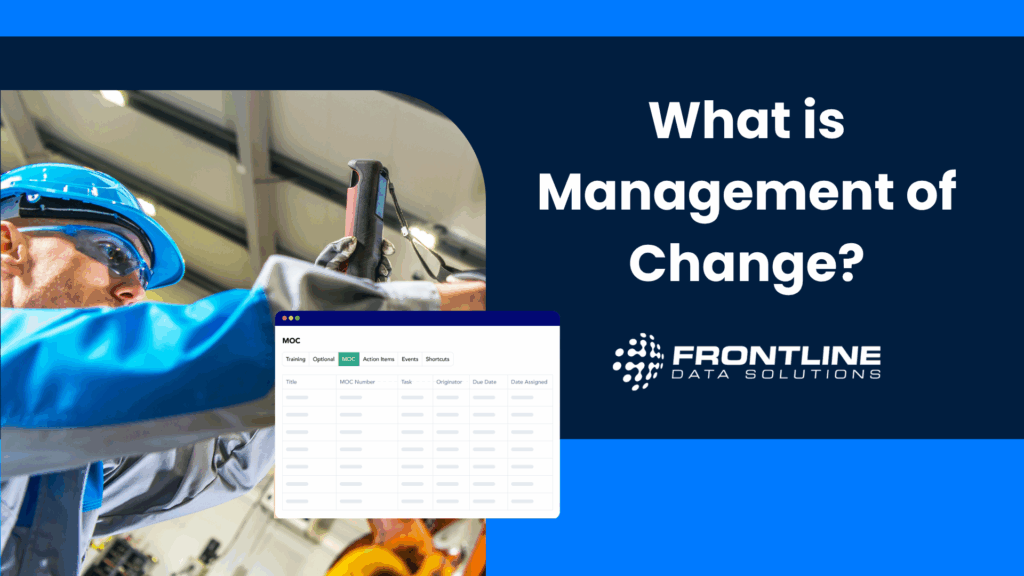
Frontline MOC software gives teams a consistent process for reviewing operational changes before they go live. With it, they can digitally document what is changing, who needs to review it, which risks need attention, and what actions must be completed. This structure is essential for companies that manage frequent changes across multiple sites, departments, or teams.
Todd Energy’s Approach to Workplace Change
Learn how one of New Zealand’s top energy producers reduce the impact of change with Frontline MOC software.

Frontline ACT Software for Action Tracking and Incident Management
With Frontline ACT, teams can support the follow-through side of change management. If a change review identifies corrective actions, those actions need clear ownership, due dates, and completion tracking. Action tracking helps teams move from identifying risk to reducing risk.
Frontline LMS and CSM for Training and Workforce Management
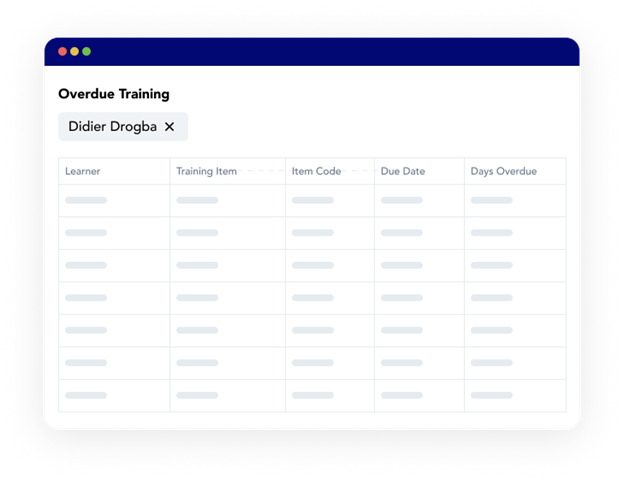
When it comes to training, Frontline LMS helps assign training, document completion, and verify that affected employees receive instruction before the change becomes part of daily work. Meanwhile, Frontline CSM allows for contractor ID verification and documentation approval.
It’s important to remember that technology can’t replace leadership, worker involvement, or safety culture. But it does make the process easier to standardize, monitor, and improve. That consistency matters for managing change without creating unnecessary risk.
Book a demo of Frontline EHS software or check out our pricing page, to learn how investing in digital safety tools can reduce the impact of change on your team.